Find Your Garden Style: Plants to Create the Backyard You’ve Been Dreaming Of
Maybe you just moved in…the yard is empty or soulless and somehow you want to turn it into your dream garden. Or maybe you’ve finally hit that phase of your life where it sounds more fun to stay home and dig in the dirt than go out for drinks (I’ve been in that phase since I was a teenager ;)
But where the heck do you start?! I find it helpful to choose a garden ‘style’ to help guide your choices at the plant store.
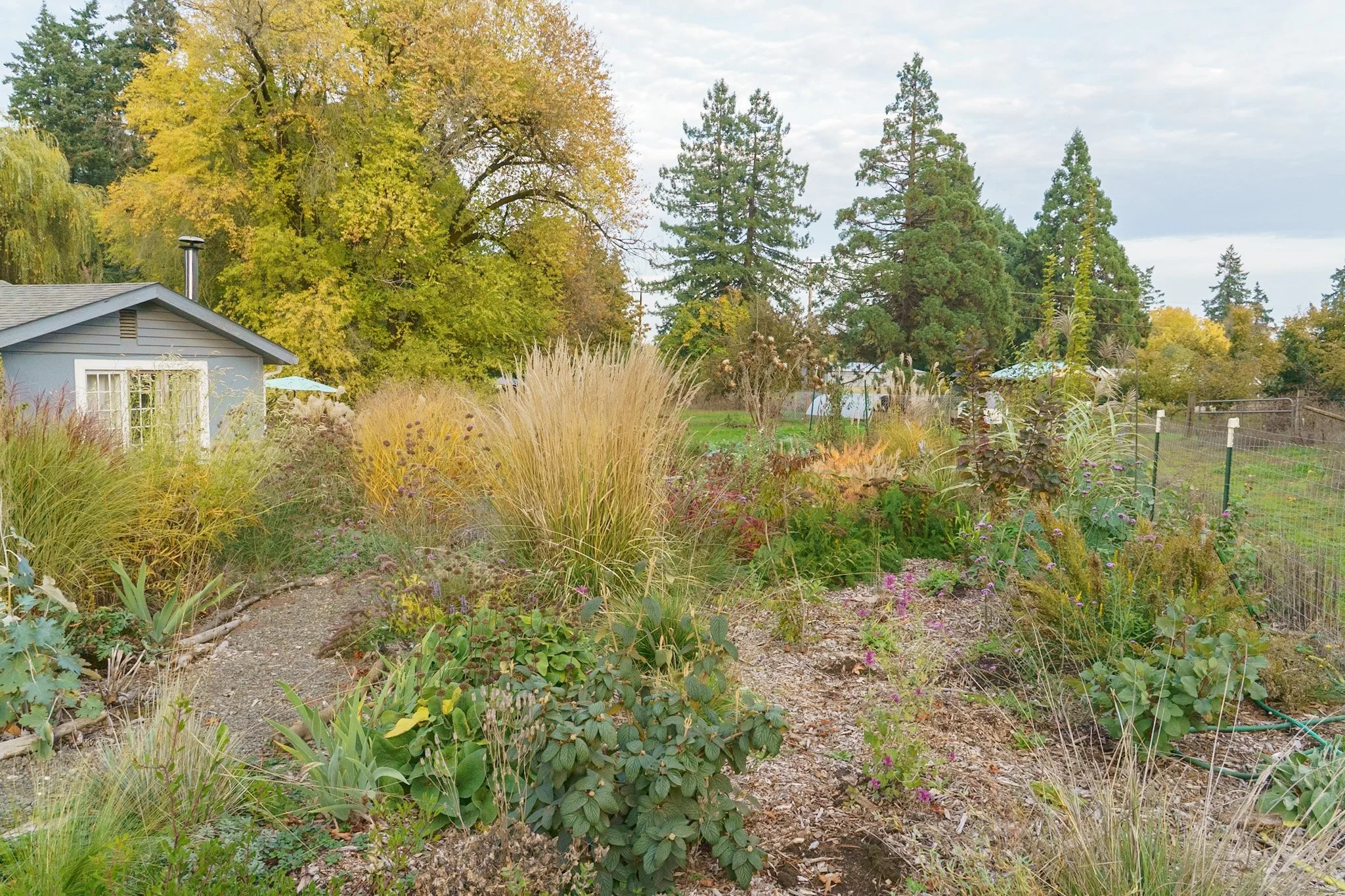
My current garden 2 years after planting: Lots of texture, foliage, a bit messy, just my style!!
Your garden style should also reflect your real life limitations: how much time do you actually have to maintain it? What colors and textures are you naturally drawn to? How much sun or shade does your yard get?
I’ve done a LOT of gardening over the years, a garden was always a must-have in the houses I’ve lived in. I’ve built a backyard pond in the suburbs, tilled up an old horse pasture to plant a prairie, and installed native woodland gardens. It always helps me to gather inspiration from books, garden tours, and art, so I’ve pulled together photos from over the years to help you decide which plants may fit your garden style!
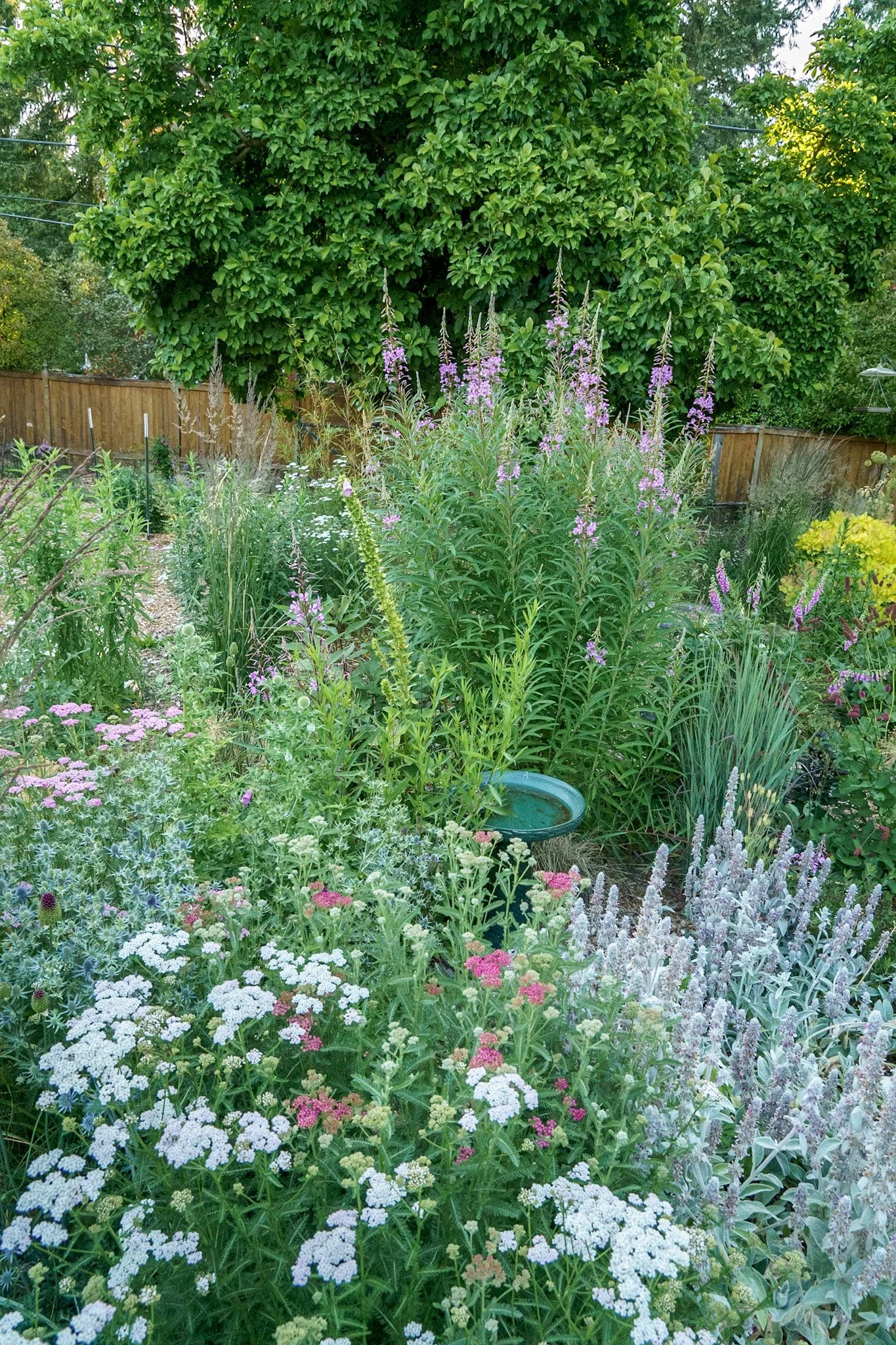
Before I moved to my new garden in 2023, I was gardening on half an acre in the suburbs. Here’s what a section of my garden looked like 2 years after planting: lush, overlapping plants, full of flowers.
Take a look below and also be sure to sign up to get a free download of The Weekend Garden Escape Guide: 8 dreamy Willamette Valley gardens, farms, & nurseries worth the drive
I’m including 5 different garden styles in this post:
The Cottage Garden
The Prairie Garden
The Wildlife-Friendly Native Garden
The Woodland Fairy Garden
The Backyard Cut Flower Garden
The Cottage Garden
This was the first garden style I created when I was in my 20s living in the suburbs. I was enamored with Downton Abbey and obsessed with English gardens.
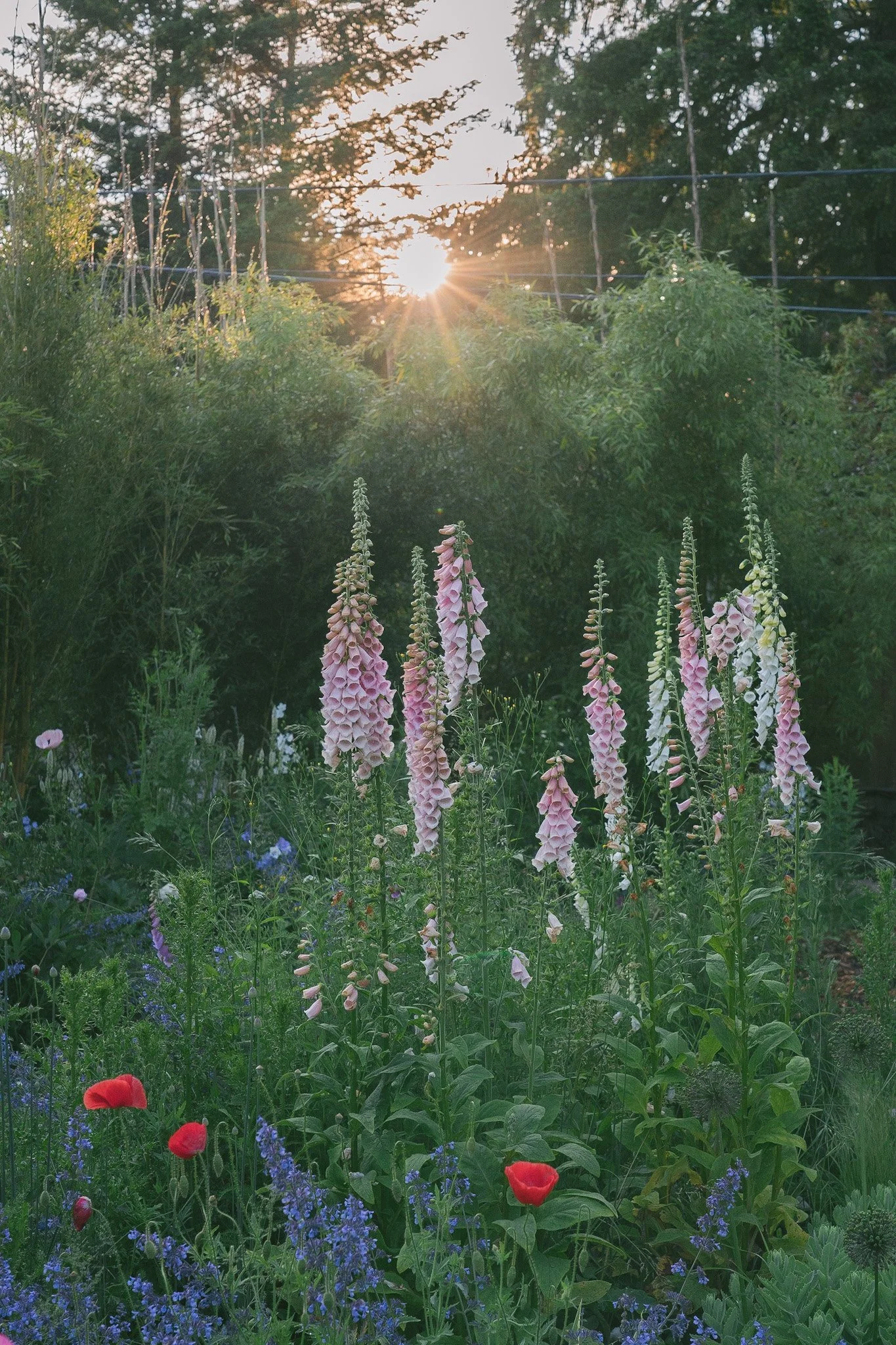
Tall foxglove mixed in a patch of poppies make a perfect cottage garden pairing
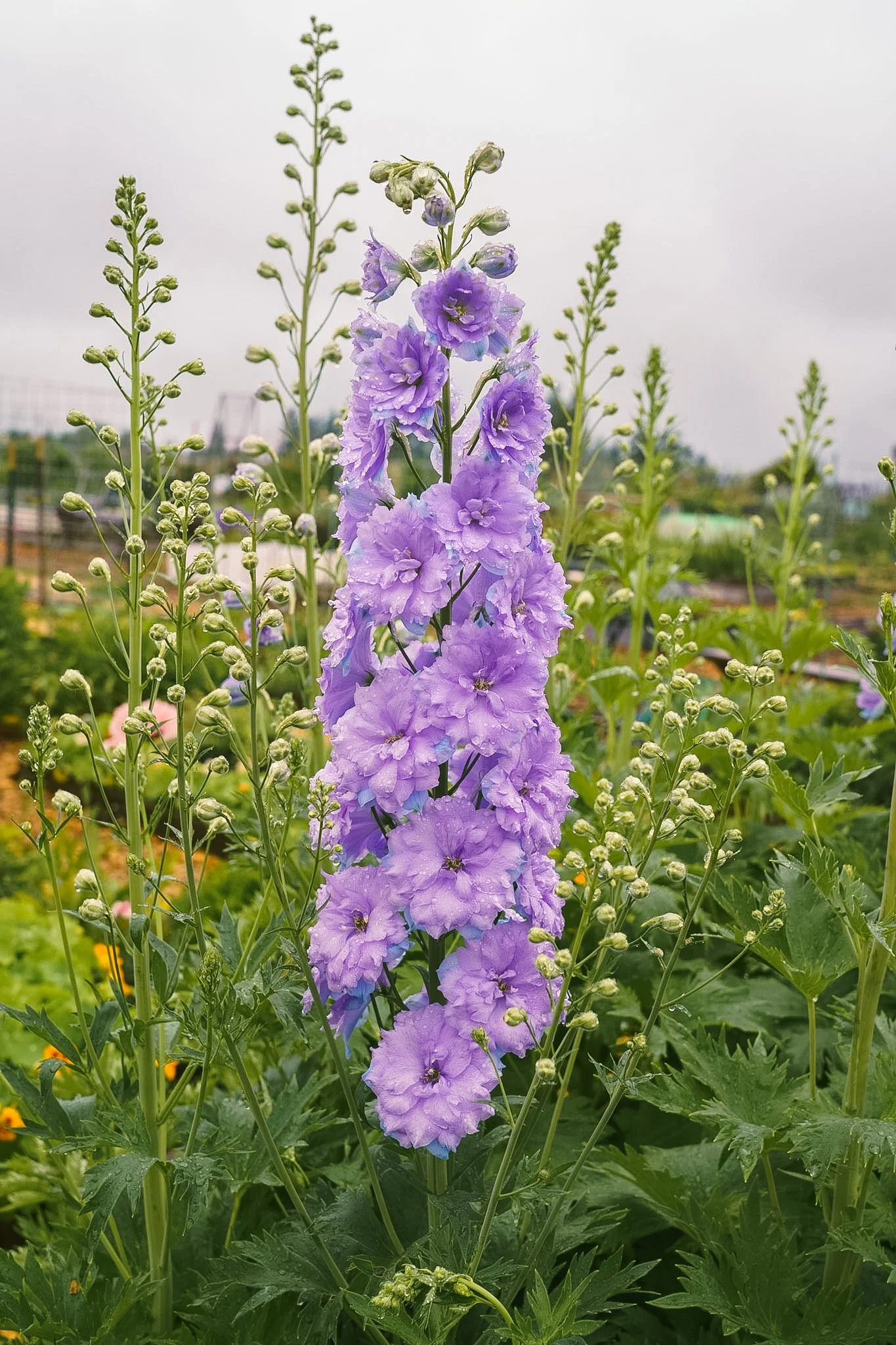
A stunning delphinium
What I learned: A cottage style garden can be a lot of maintenance. The flowers need to be frequently deadheaded to keep them looking fresh, you need LOTS of plants to give it that lush feel, and you need to carefully plan so you have months of flowers, instead of them all flowering at once in May and June and leaving the garden looking bare the rest of the time. Also, it looks kinda plain over the winter time if you don’t include evergreens to give it more winter interest.
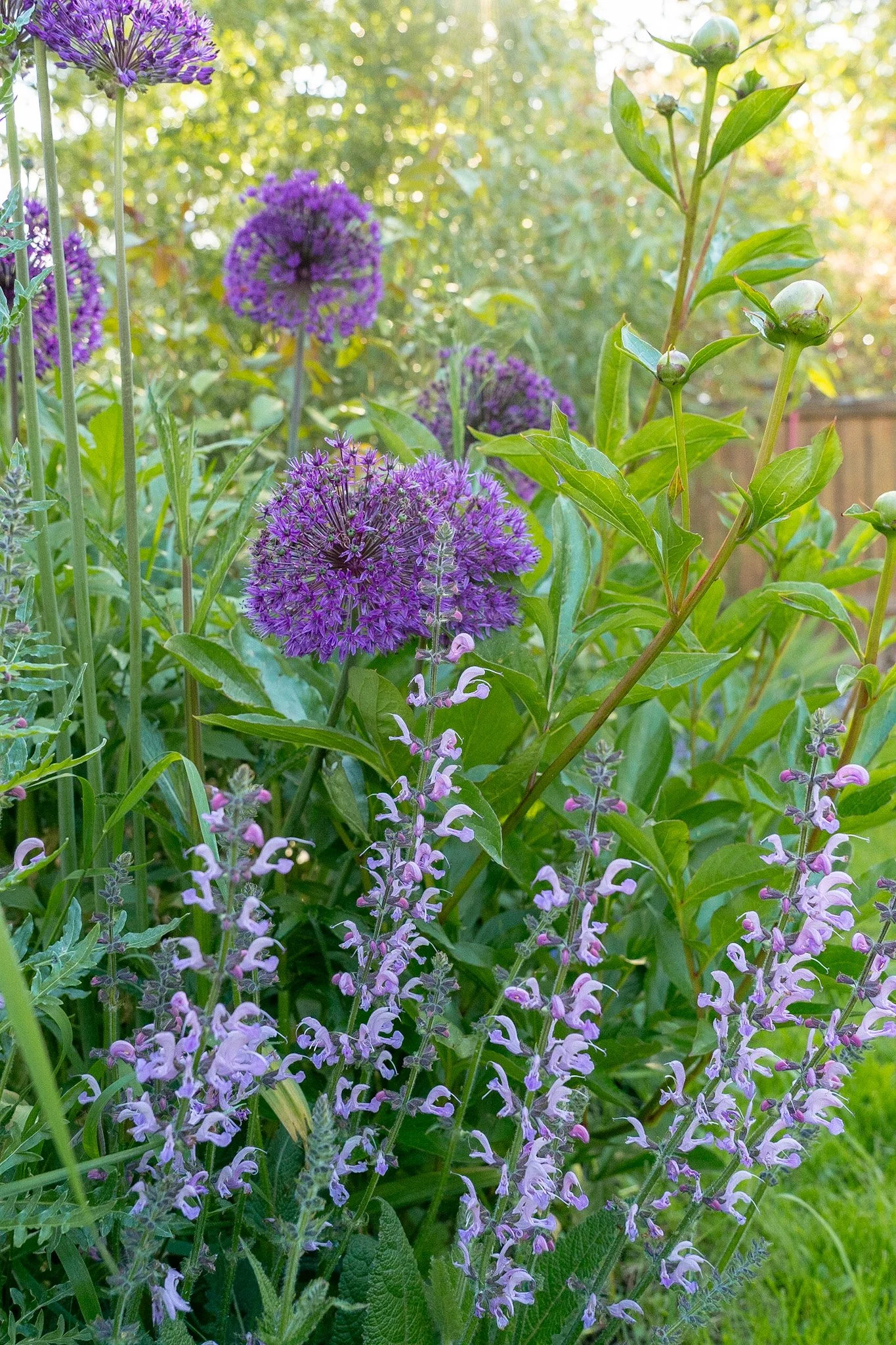
3 plants together give a long season of interest: spikes a lavender-hued salvia, purple globe allium, and then peony buds behind that
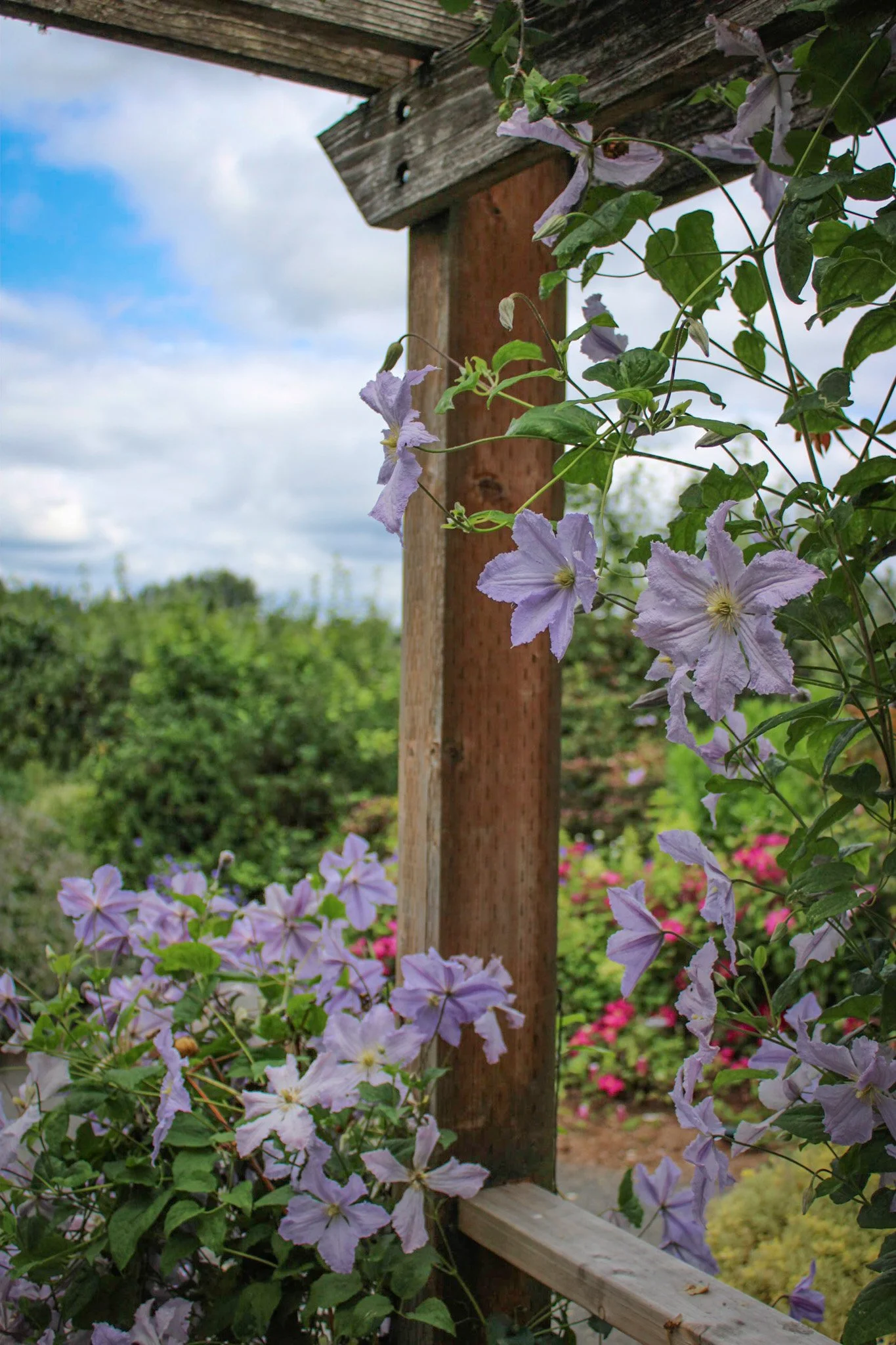
Clematis rambling over an arbor at the Rogerson Clematis Garden. These easy-to-grow vines give your garden instant cottagecore vibes
That being said, I will always love cottage garden styles (and Downton Abbey). When I moved out of the suburbs in 2023 to my current house, I moved away from the cottage garden style because my new garden is so hot and dry. A lot of the cottage garden plants do well with a bit of shade and more frequent watering, which I just couldn’t sustain in the new garden.
Plant Suggestions:
Roses
Allium
Foxglove
Delphinium
Peonies
Columbine
Nepeta
Geranium
Hollyhocks
Clematis
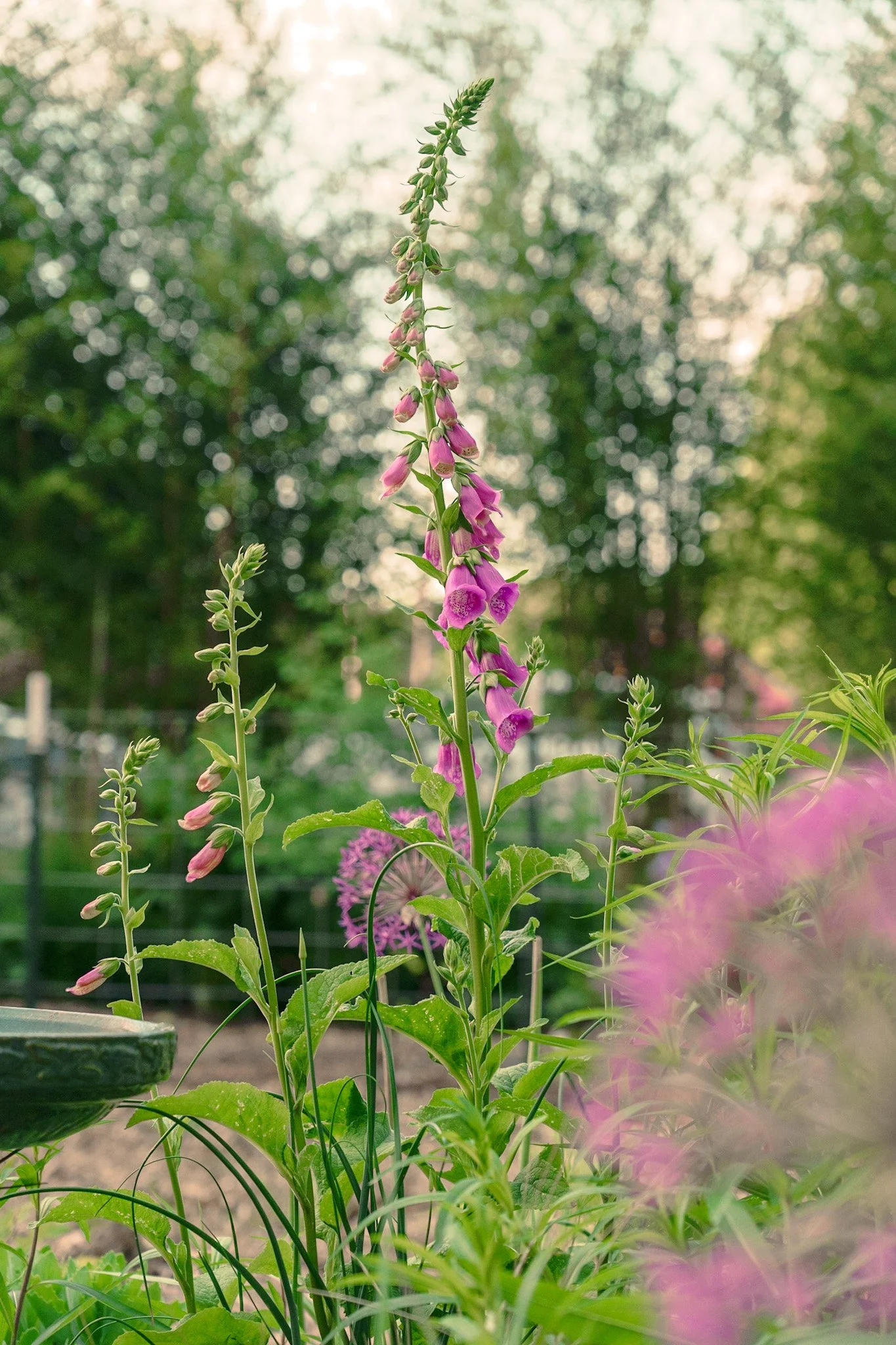
I’ll never get tired of the whimsical, tall foxgloves in the garden
Design Tips:
Plant in clusters, not singles: A group of 3 of the same plants together gives a big visual impact instead of individual plants sprinkled around.
Let plants mingle: To give it that lush, wild vibe, put some plants close together so they intertwine.
Mix flowers with herbs for texture: Be careful not to let some herbs like mint spread and take over the garden, but there are more well-behaved herbs like chives and bee balm that look adorable mixed in with the flowers.
The Prairie Garden
Now of course, I’m talking about a very idealized sort of prairie that is a trend in gardening, not amber waves of grain as far as the eye can see. Prairie plants are incredibly tough, diverse plants that thrive in low-water, low-nutrient conditions.
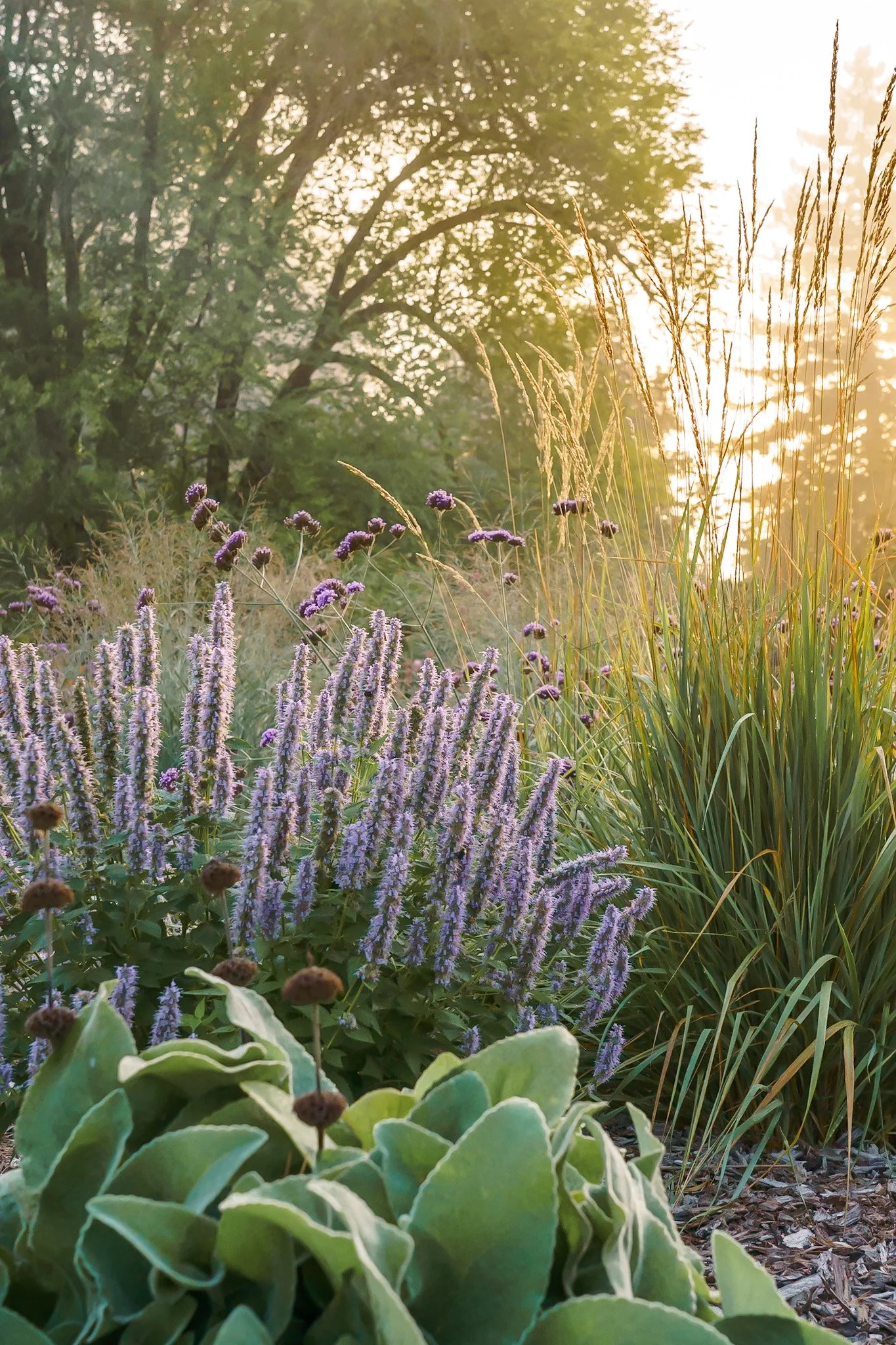
The prairie garden really glows at sunset. Spikes of Agastache look stunning against dark green grasses.
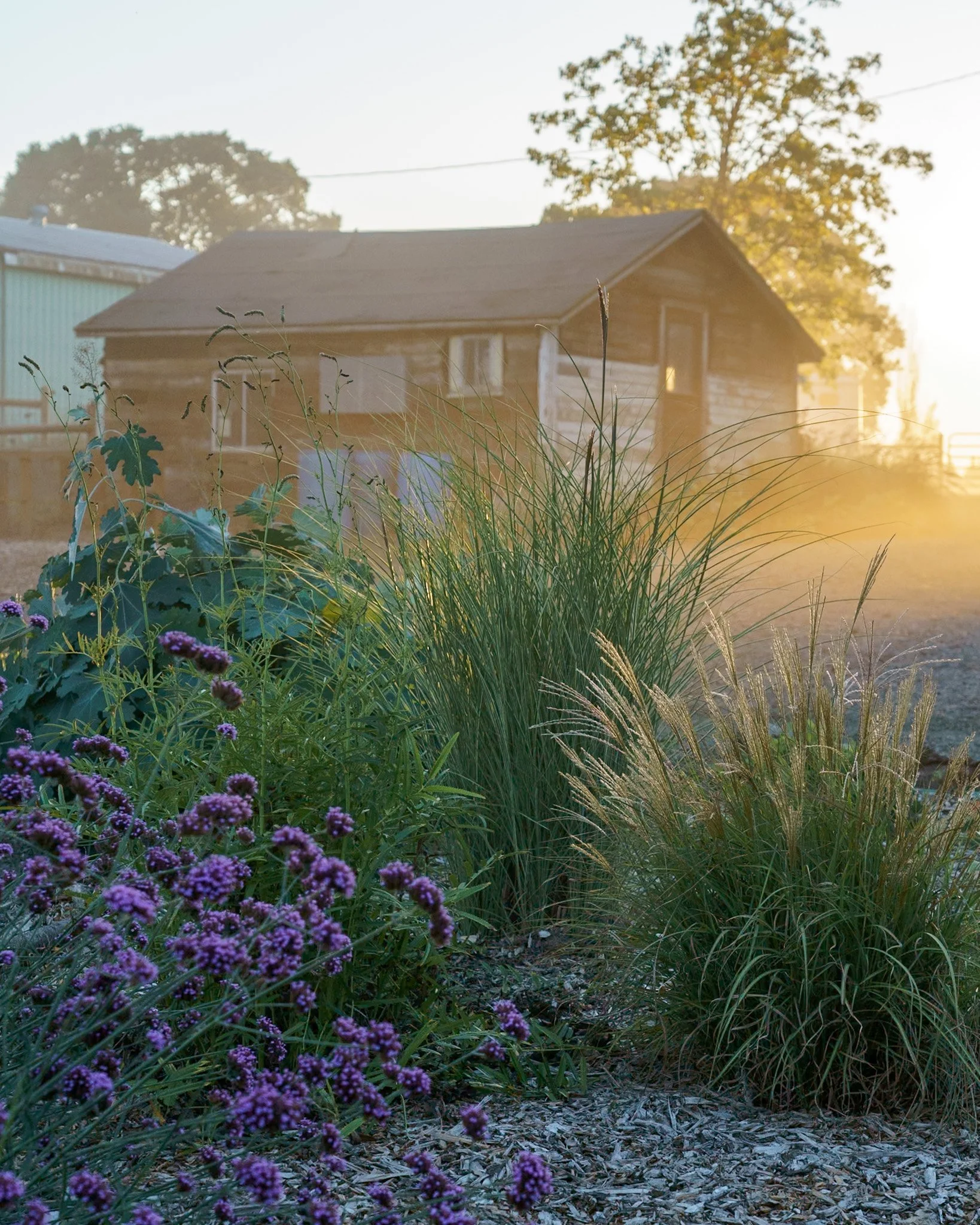
Purple verbena bonariensis flowers look pretty perfect with flowy grasses
This was a perfect style for my new garden that gets direct sun all day and is in poor soil. I filled my current space with huge grasses, drought-tolerant perennials like sedum, and classic coneflowers. It’s not as flower-focused as a cottage garden so it’s a lot less maintenance.
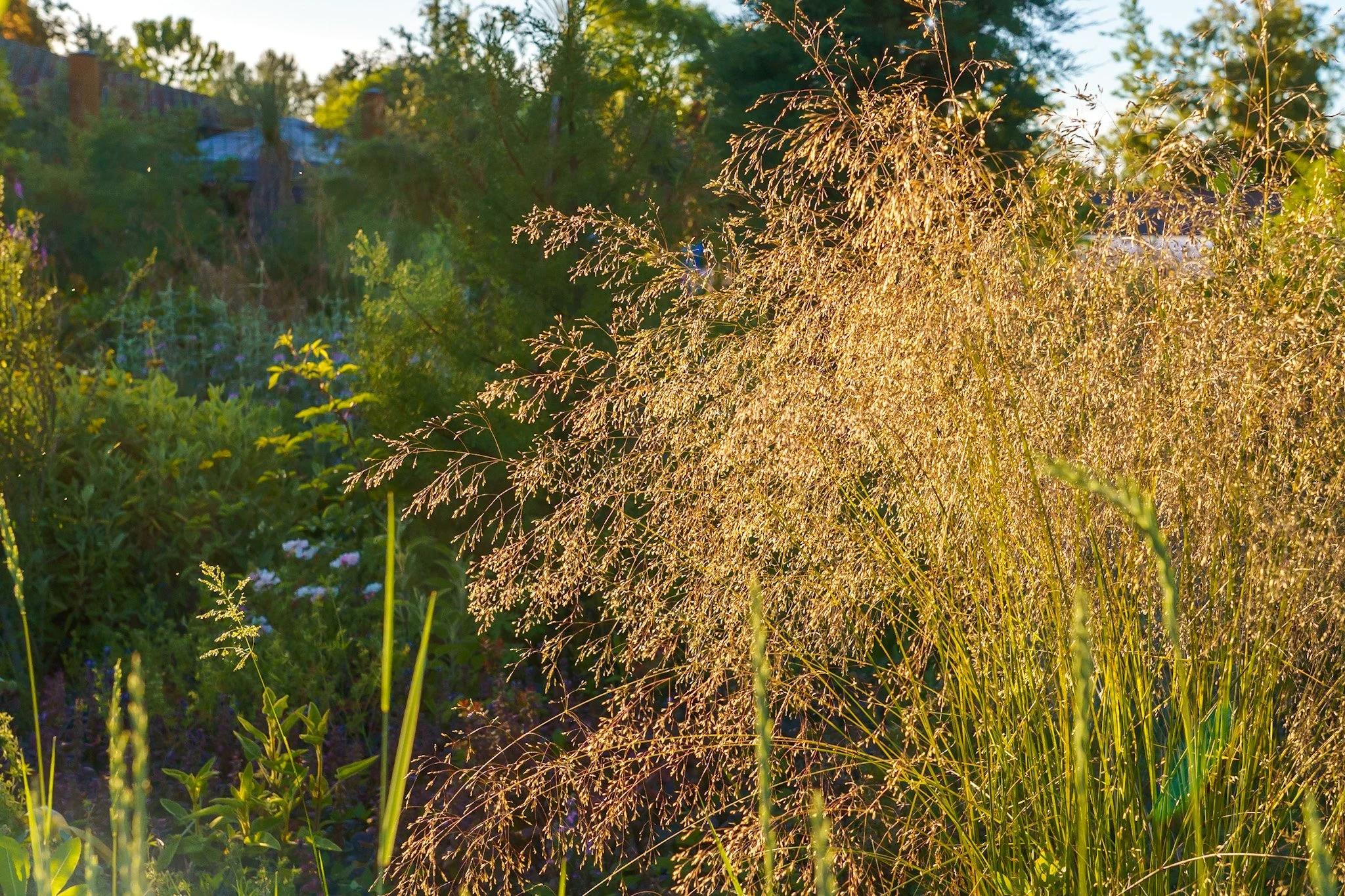
What I learned: A lot of the plants suited to this prairie style are tough and spread by seed or roots. You have to be prepared to pull out plants if they get a little out of hand! (Verbena bonariensis is a fabulous purple flowering plant but holy cow, it will reseed everywhere.)
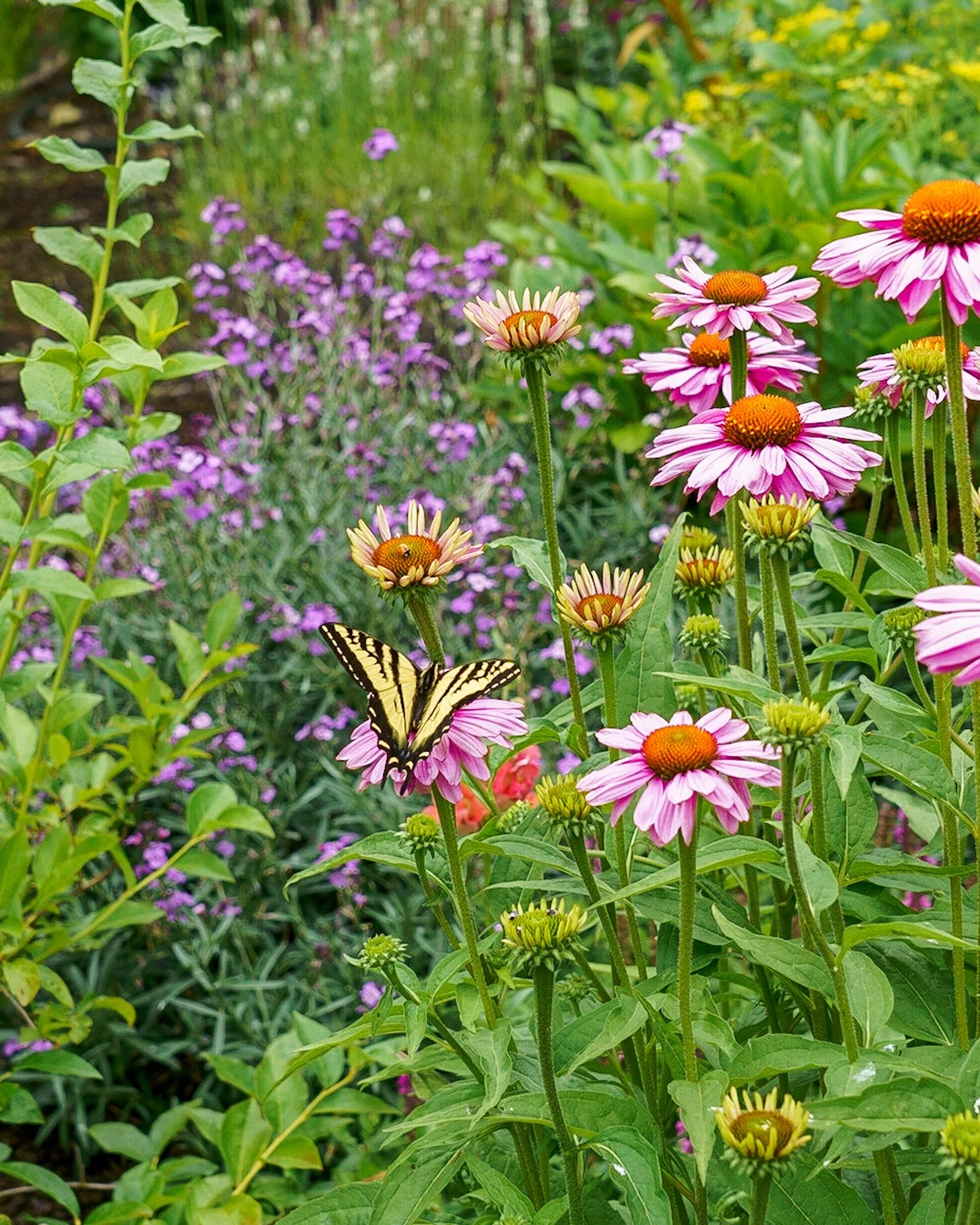
Coneflowers like this echinacea are beloved by pollinators
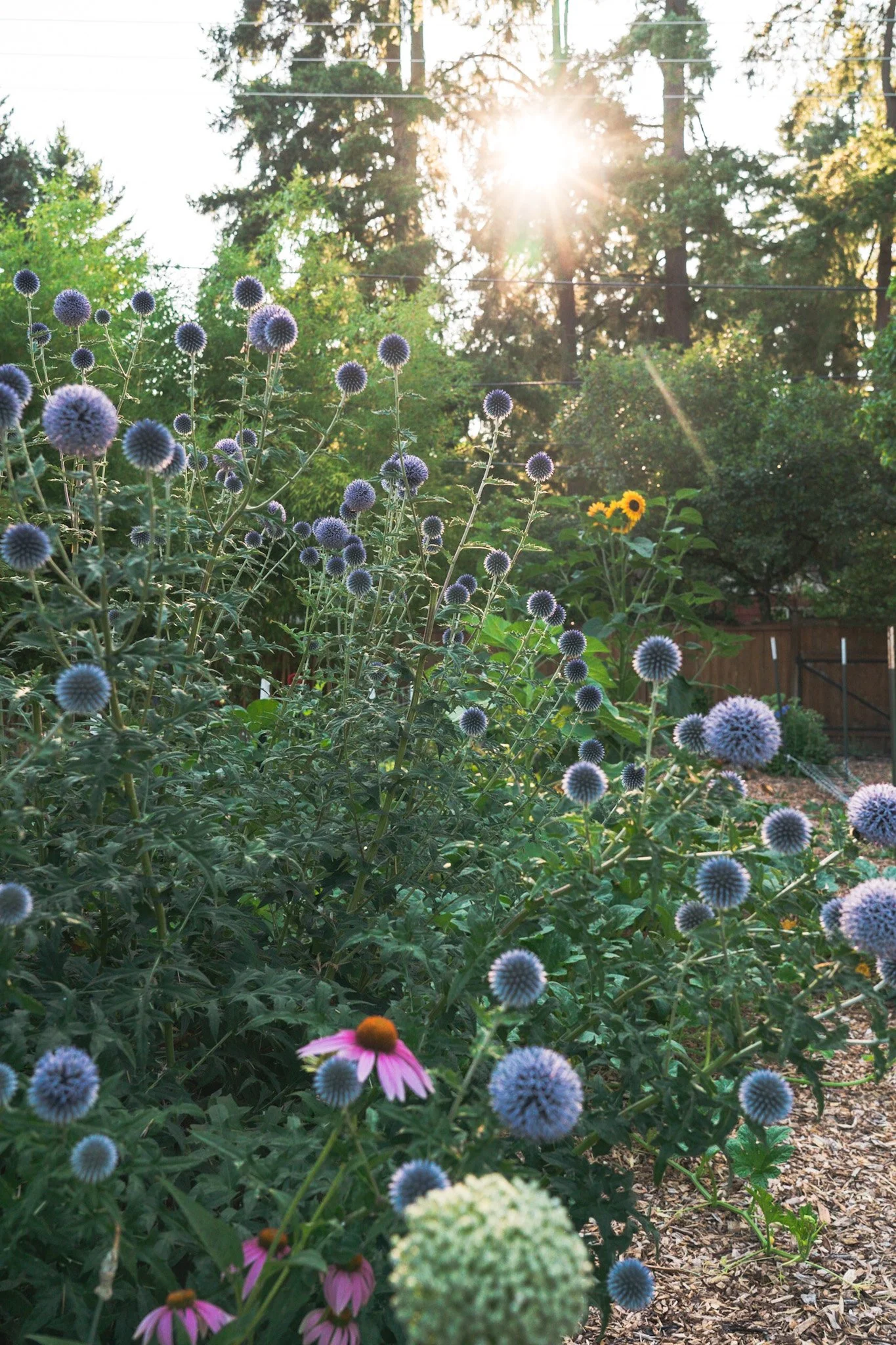
Echinops has stunning blue globes that grow tall and blend perfectly with prairie-style grasses
Plant Suggestions:
Coneflower (Echinacea & Black-eyed Susan)
Yarrow
Grasses: Calamagrostis ‘Karl Foerster’, Autumn Moor Grass ‘Sesleria autumnalis’, and Pennisetum
Verbena bonariensis
Echinops
Sedum (Autum Joy is a classic variety)
Agastache
Phlomis
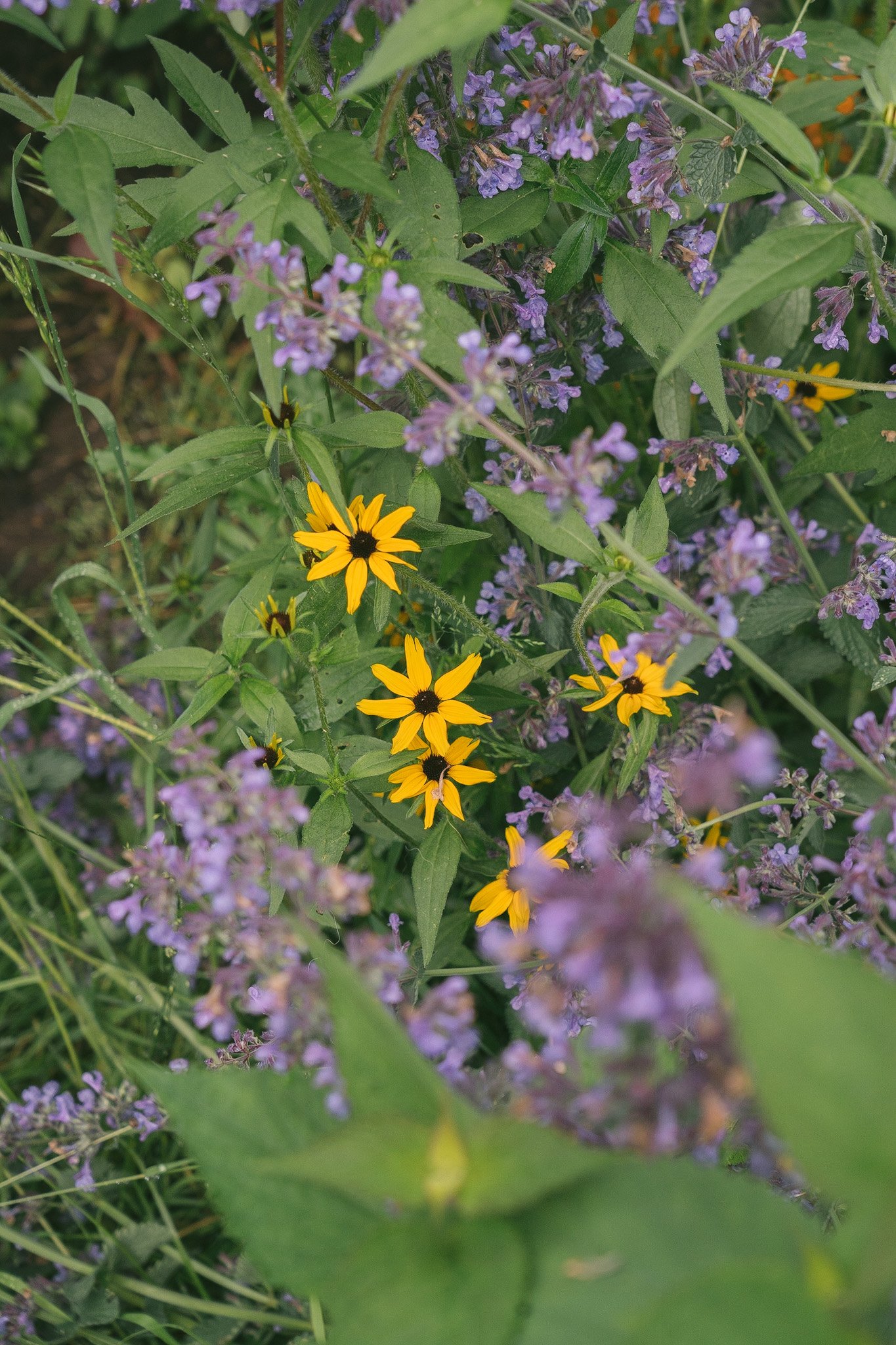
Cute little rudbeckia grow up among grasses and blue nepeta
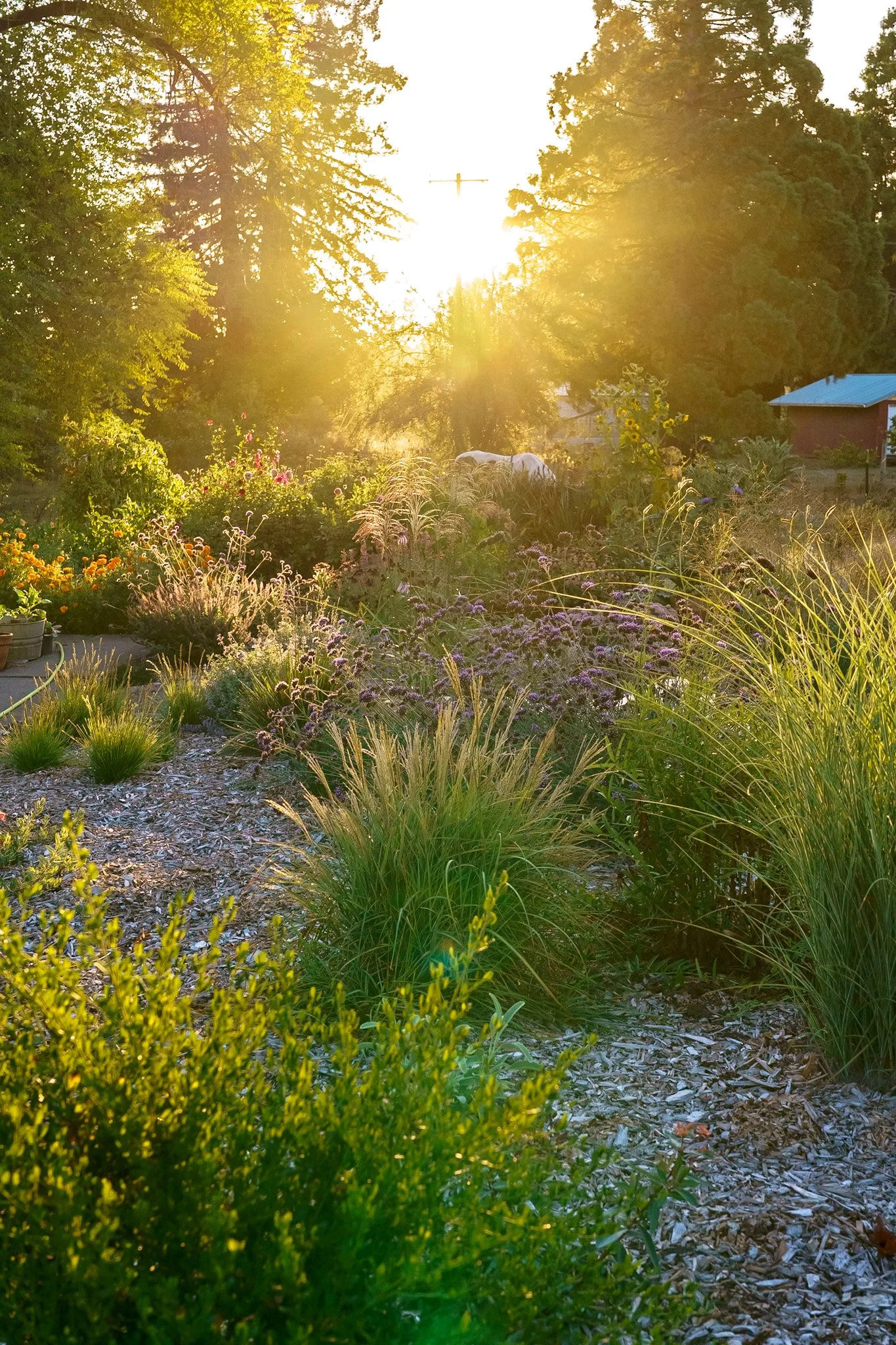
My little prairie garden the first summer after it was planted
Design Tips:
Movement is key: To really give it that windswept prairie vibe, plant tall airy things like grasses and sanguisorba that sway in the wind.
Let the seedheads shine: Don’t cut down all the plants until around February, let them stand all winter and enjoy their shape and texture!
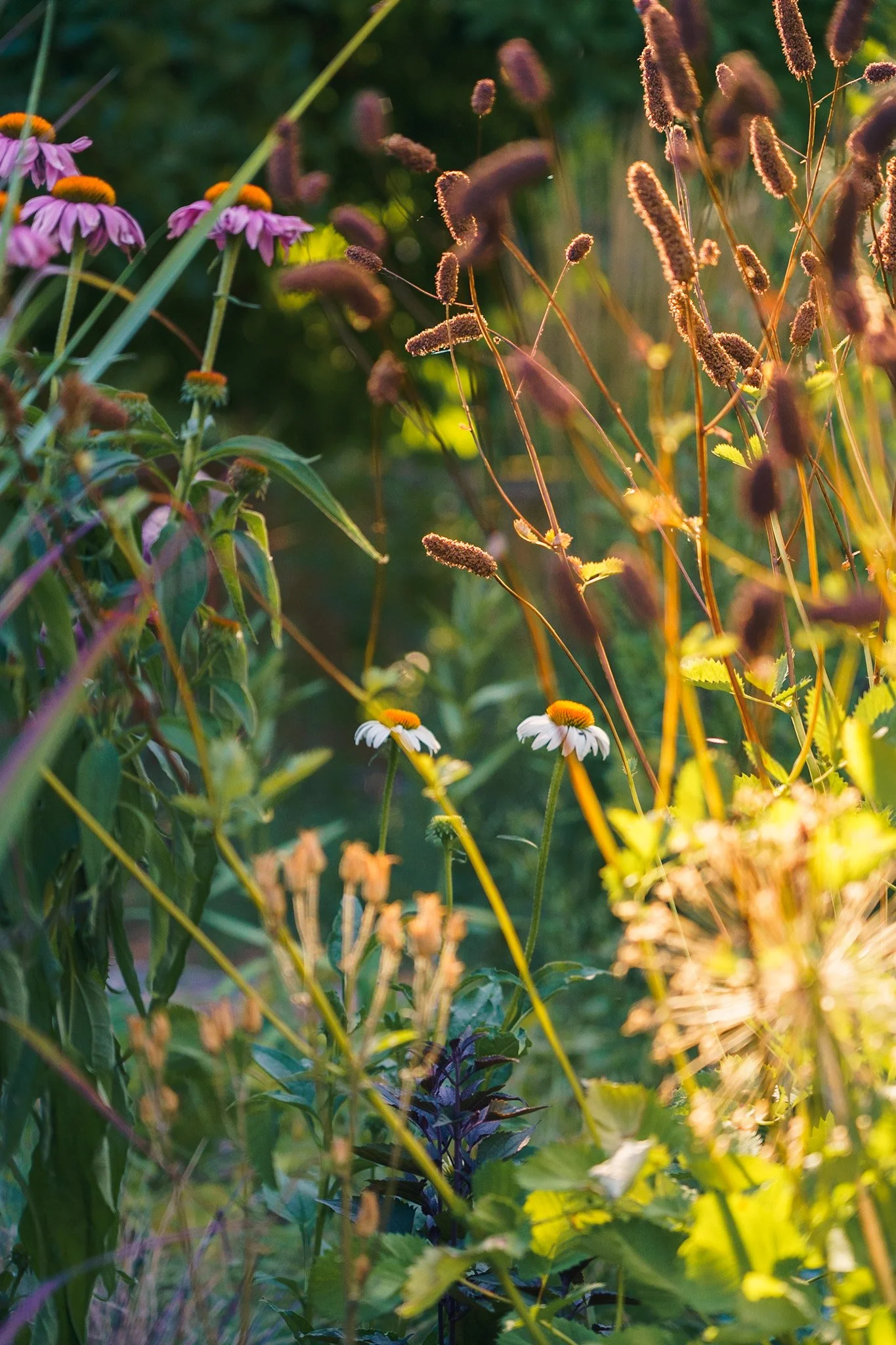
Rust-colored sanguisorba grows tall and pairs well with so many other plants
Wildlife-Friendly Native Plant Garden
All of my gardens are very wildlife-friendly because they attract pollinators, provide food for birds, and shelter for insects. I don’t use sprays and I generally let the critters figure themselves out. However, intentionally planting for our local bugs and bees requires a bit more thought.
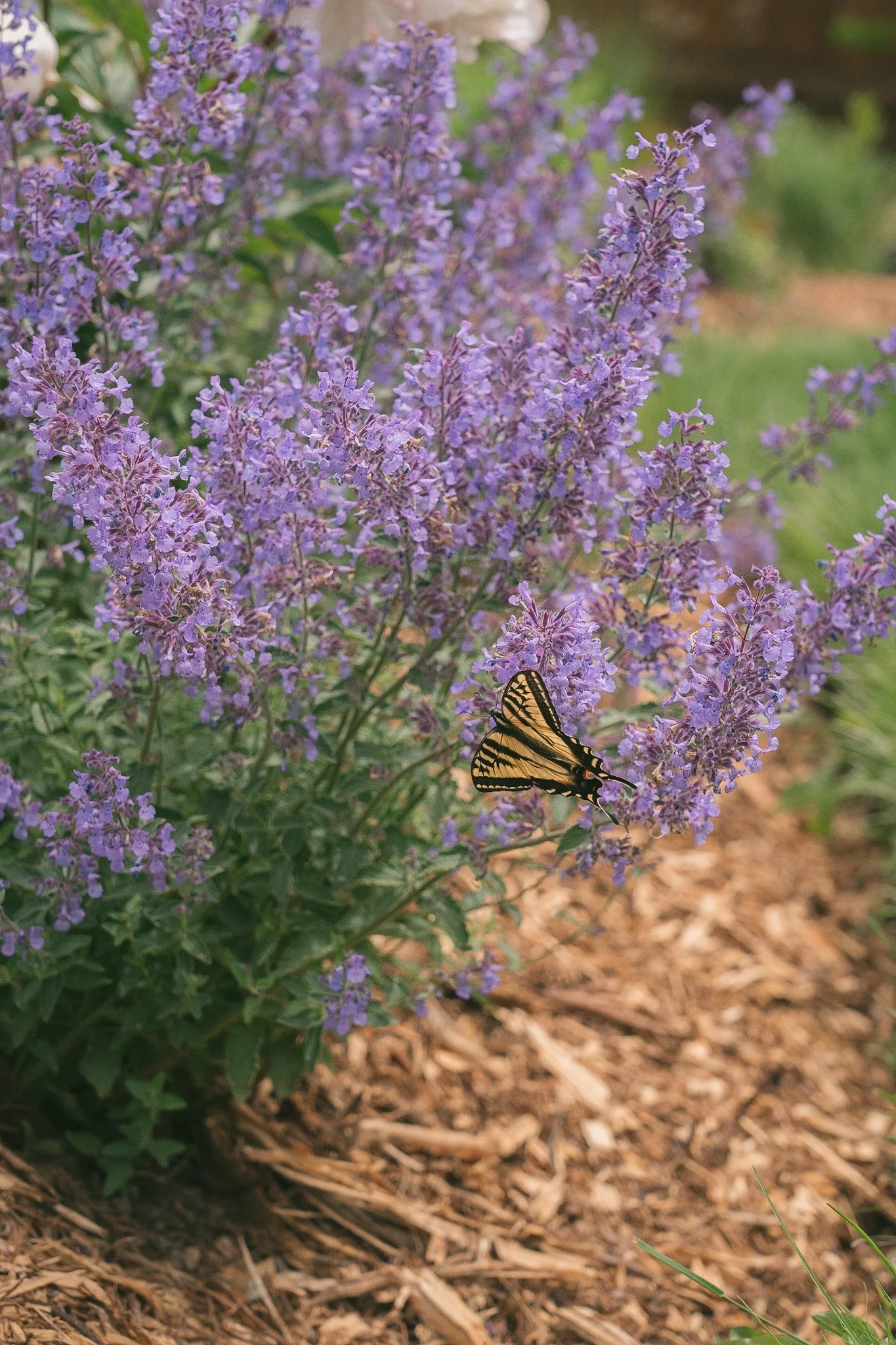
Nepeta is not native to Oregon but I always include it in my gardens because it has a super long bloom season for pollinators
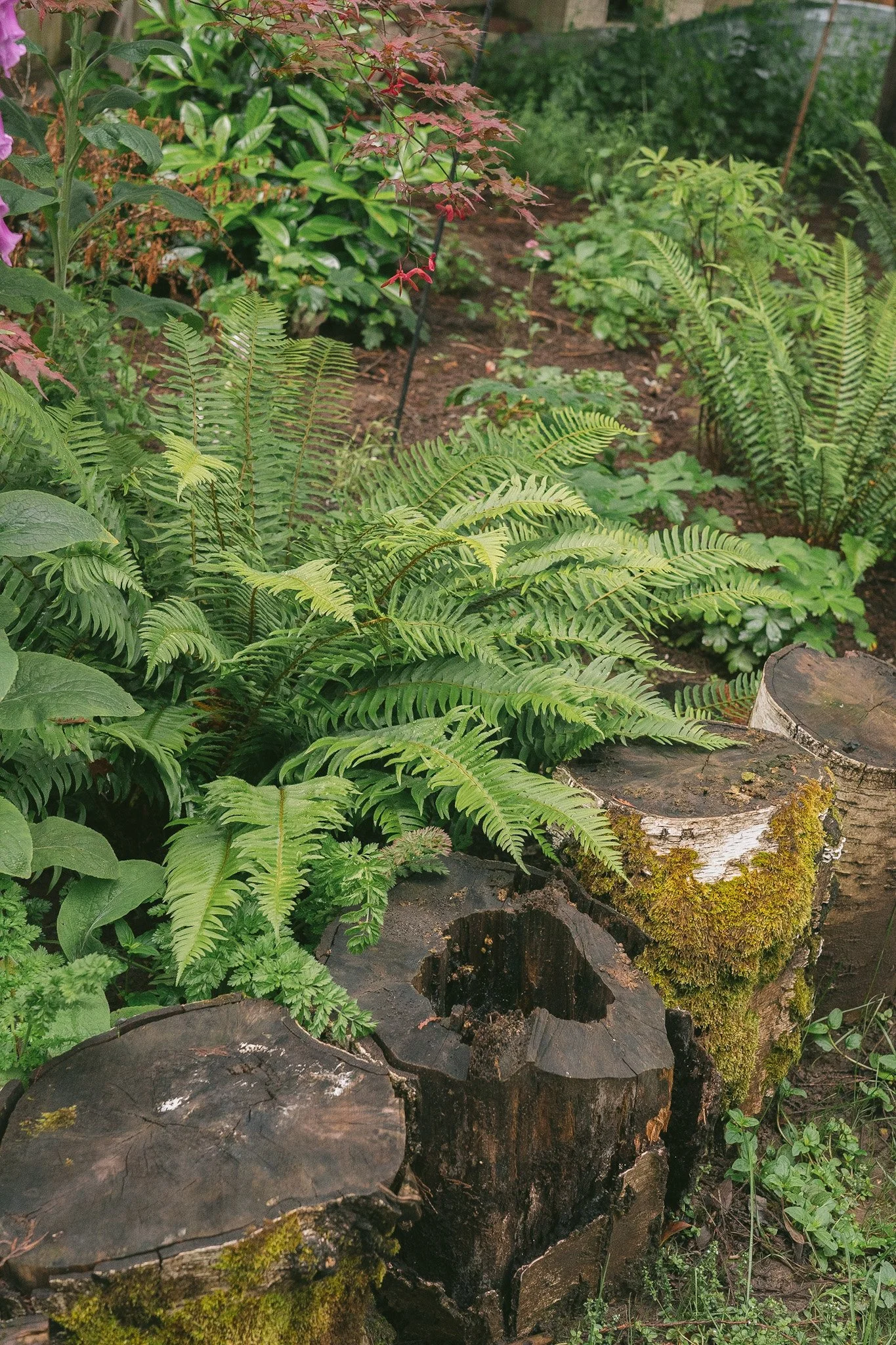
Native sword ferns provide cover for little creatures
Not all the plants need to be native to attract wildlife (the birds LOVE sunflowers and the bees love nepeta so much), but it really helps to plant a few key species of native plants in any garden.
Plus, a lot of native plants are adapted to this climate so they require little maintenance!
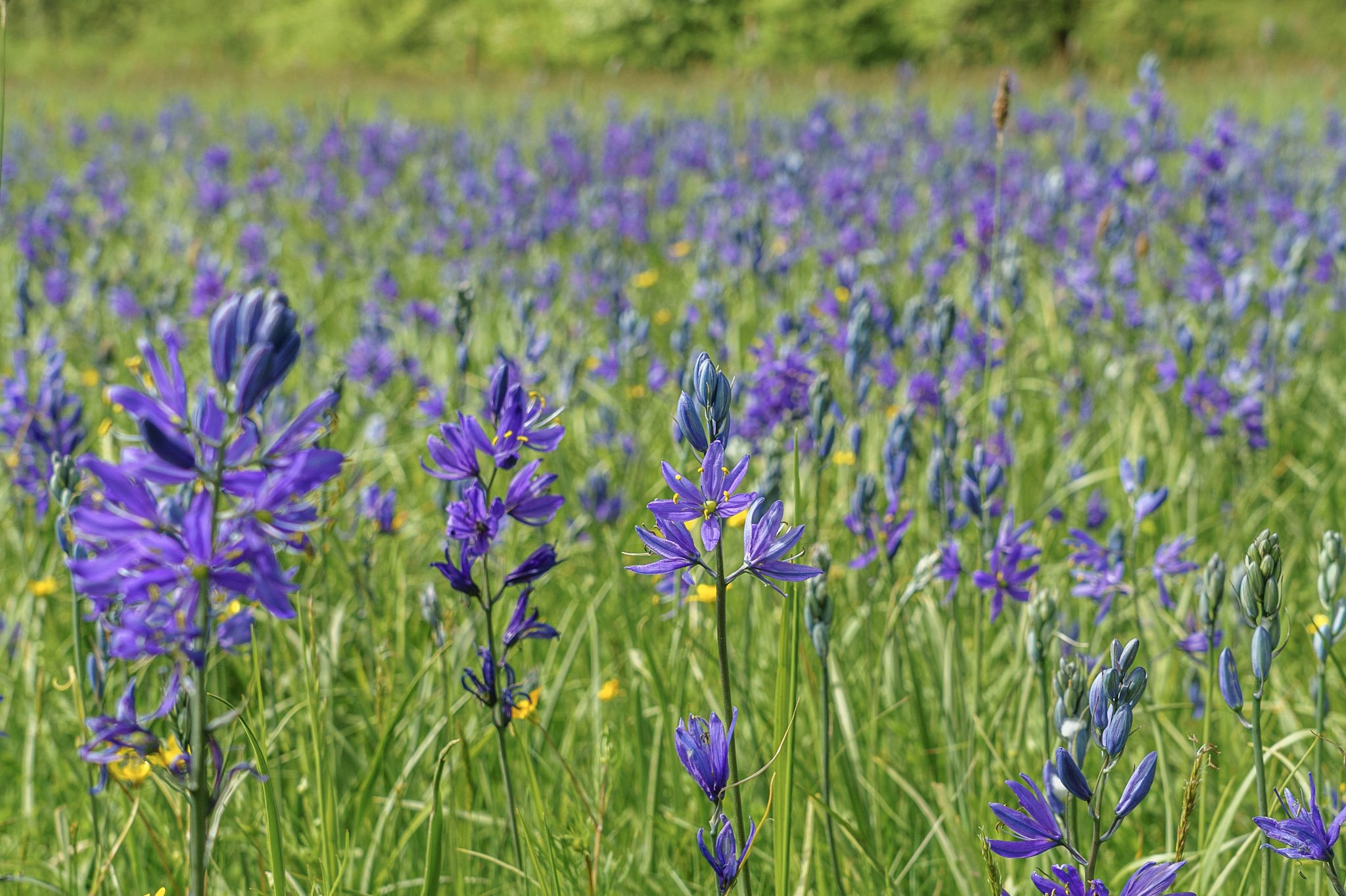
Camas bulbs are planted in the fall and bloom in spring. They come back every year and make a gorgeous display in the garden
What I learned: Not all native plants are great for small gardens. Some can be quite prolific (I’m looking at you, fireweed) and some can be difficult to keep alive (I wish I could figure out how to keep trillium happy!). I’ll give a shoutout to my friends at a local nursery in Canby, Green Seed Gardens, who offer a huge selection of native plants that are well suited to gardens!
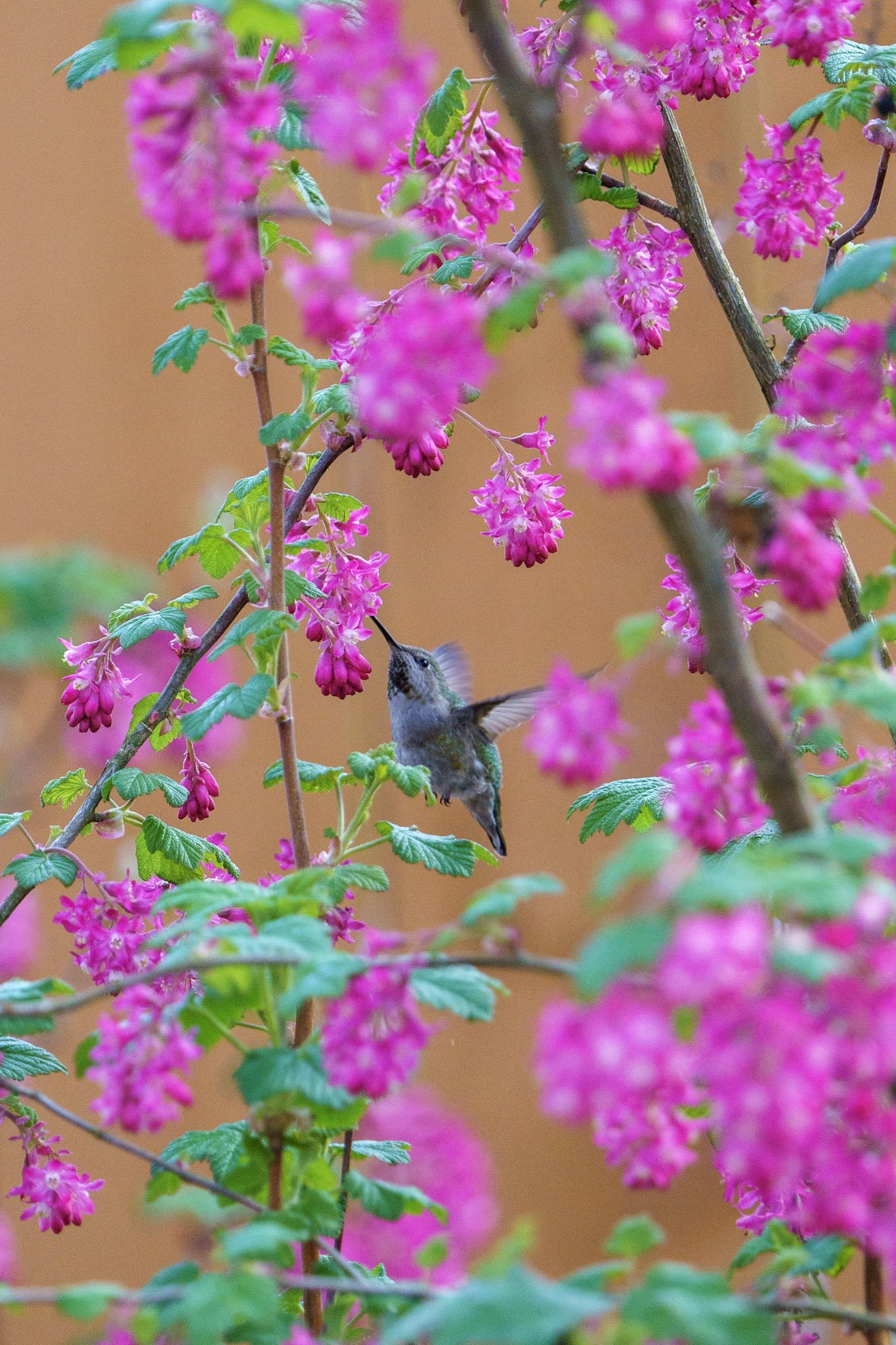
Red flowering currant blooms in March and hummingbirds can’t get enough of the flowers

Lupine blooms May-June and is a favorite of the bees
Plant Suggestions:
Oregon grape
Red flowering currant
Ceanothus
Camas
Lupine
Western Sword Fern
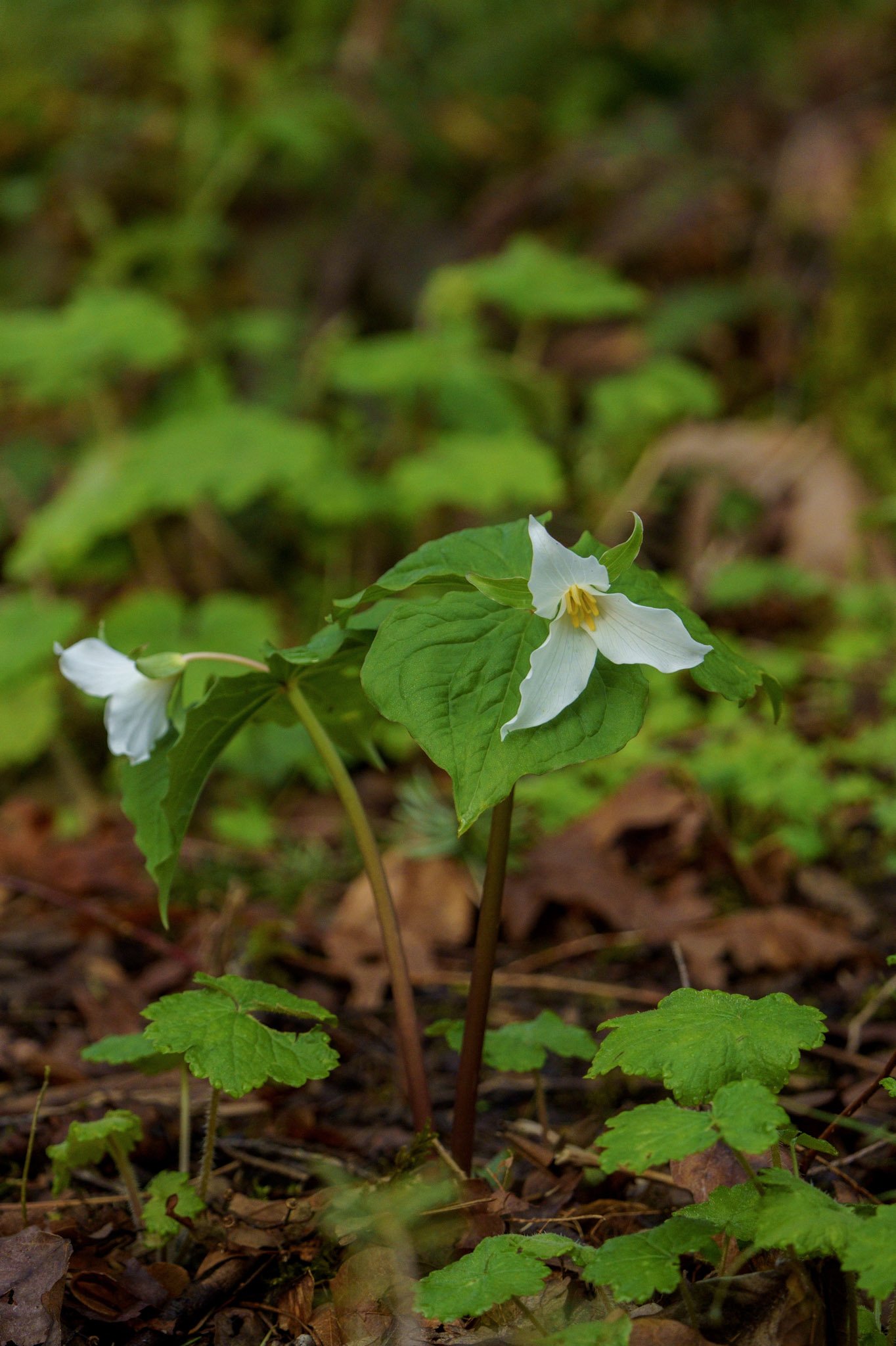
Trillium thrive in a shady woodland garden
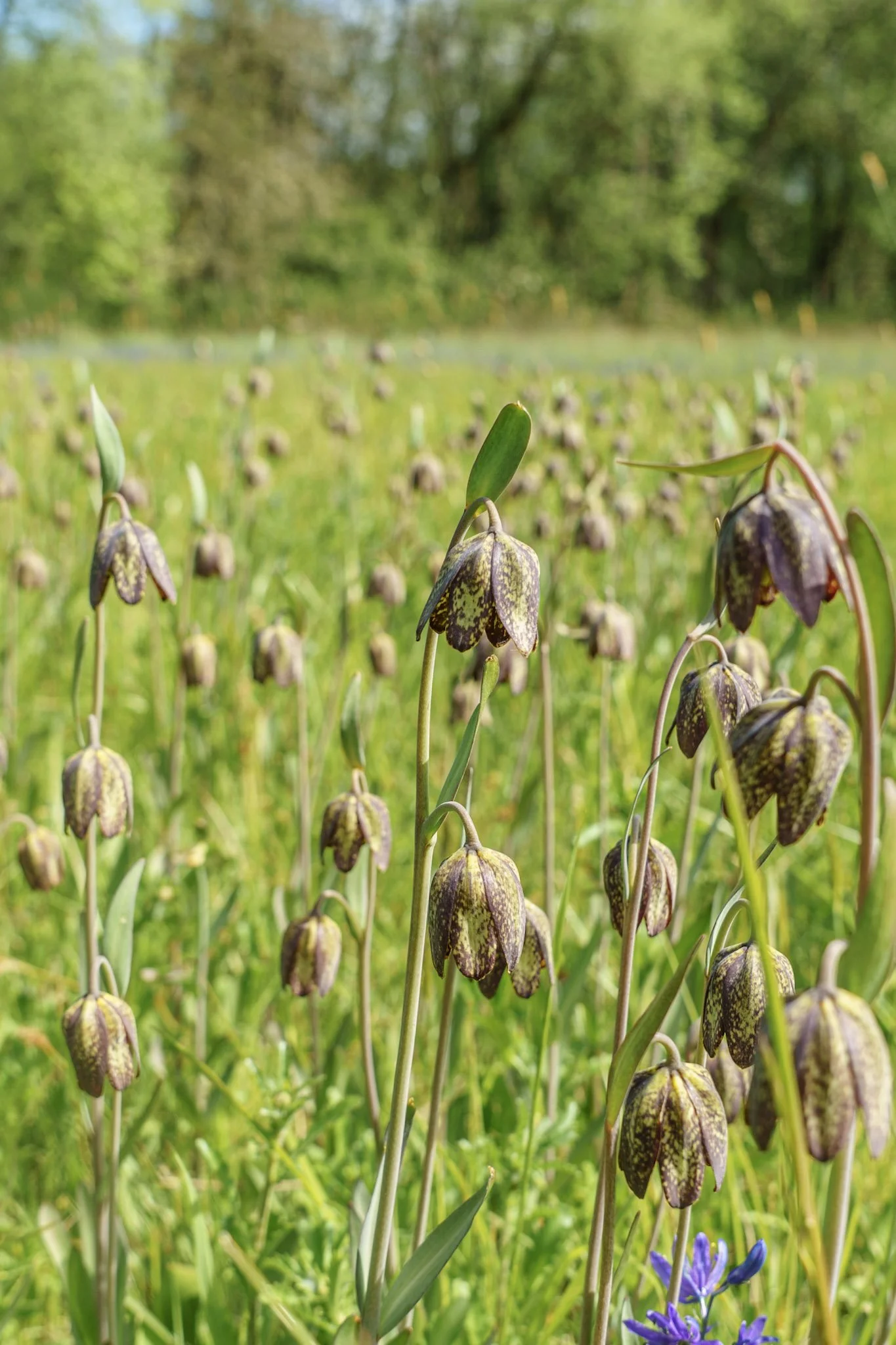
Fritillary bloom in meadows at the same time the camas blooms in April/May
Design Tips:
Mix & Match: Mix natives with familiar favorites or already existing plants in your garden.
Think long-term: These plants settle in over time and can get big! Do a bit of research to see if you need to give them space.
Woodland Fairy Garden
All of the photos below are from my trip to Heronswood in Washington in 2022. I HIGHLY recommend you add this garden to your tour list next time you need a road trip! I visited in April and truly felt like I was walking through a magical fairy forest. The little bright flowers stood out amongst all the dark green foliage and I was in heaven. I took a lot of inspiration for this and brought it home to my own shady woodland garden in the suburbs.
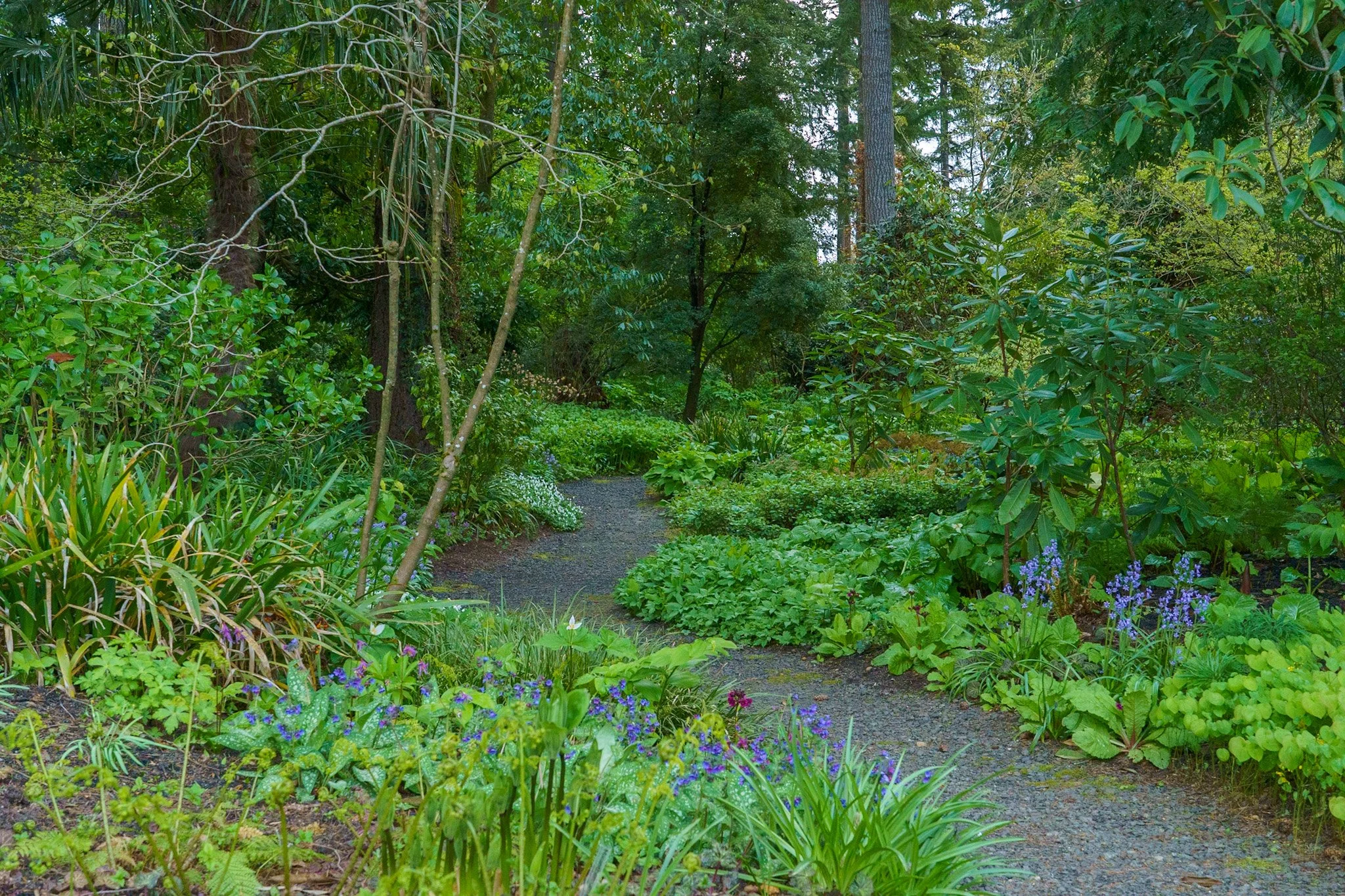
One of the winding paths through the Heronswood garden in Washington. It’s proof you can have an incredibly diverse garden even under a heavy shade canopy of coniferous trees
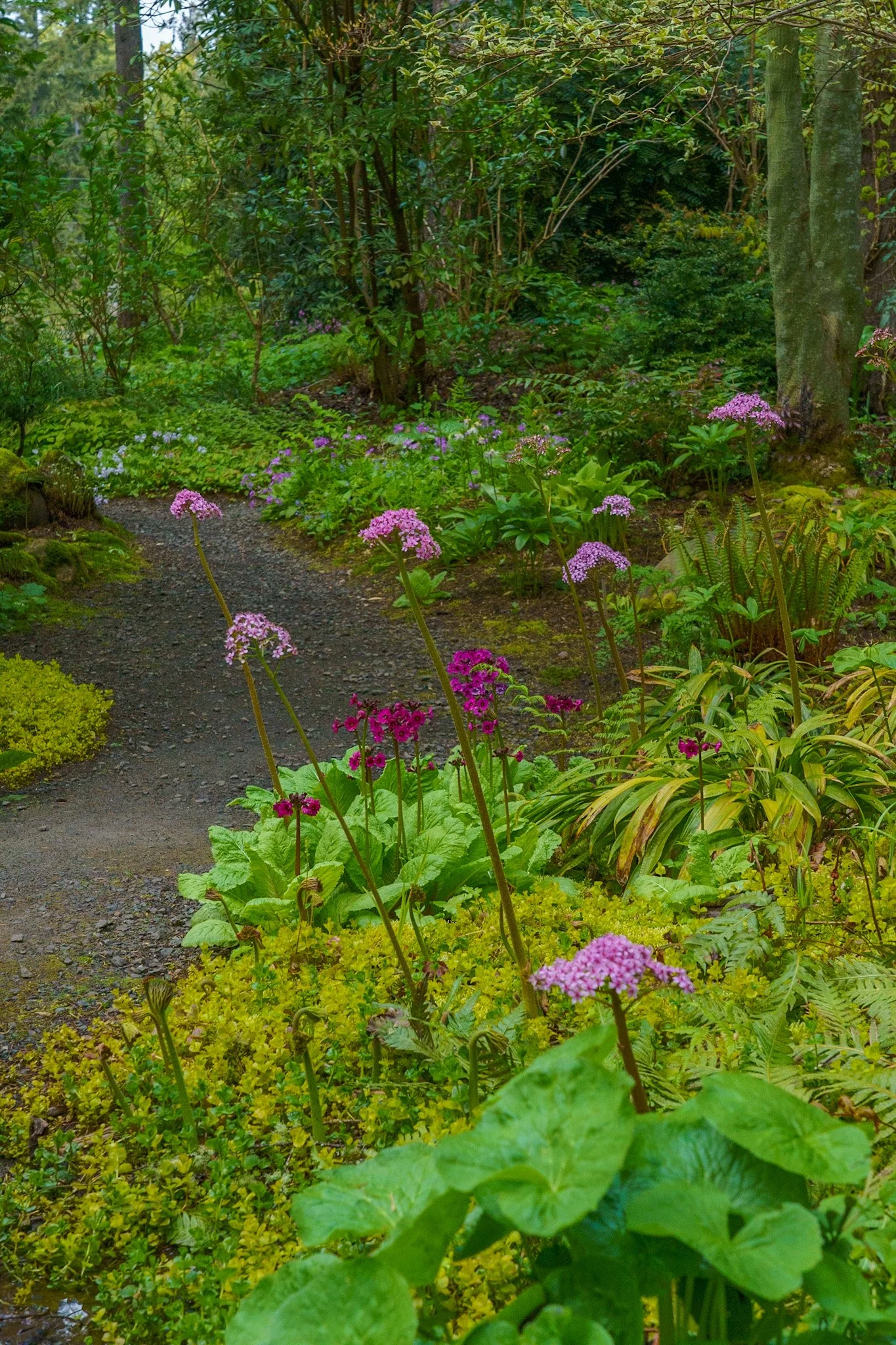
I think the tall pink flowering heads are ‘Darmera peltata’
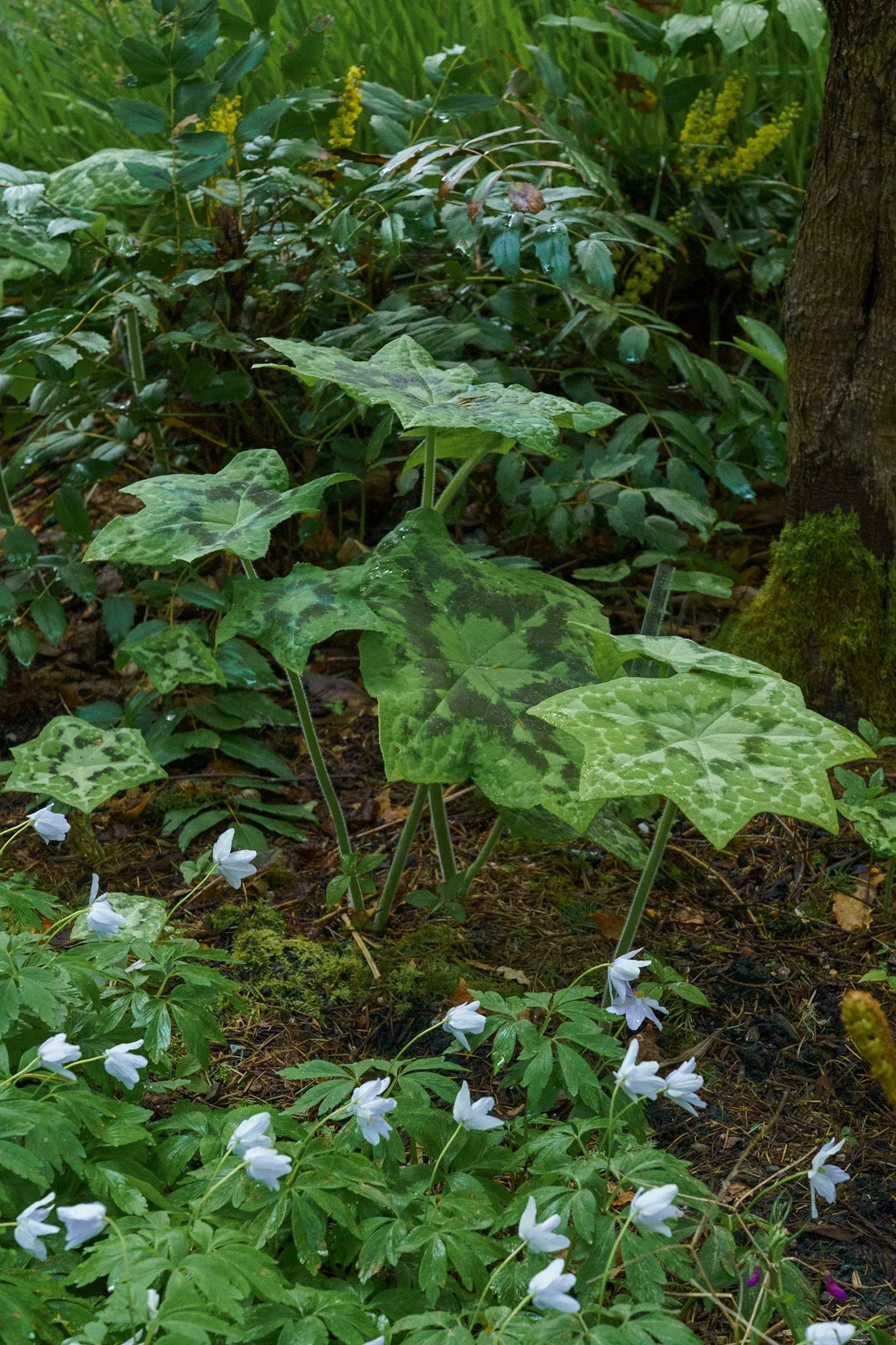
I believe the large leaves are a type of ‘Podophyllum’ and the small white flowers are a kind of wood anemone
What I learned: A lot of woodland plants naturally bloom early in the year so you want to make sure there’s plenty of foliage and evergreen plants to keep the garden looking lush. Think ferns, hostas, and hydrangea to give a longer season of interest.
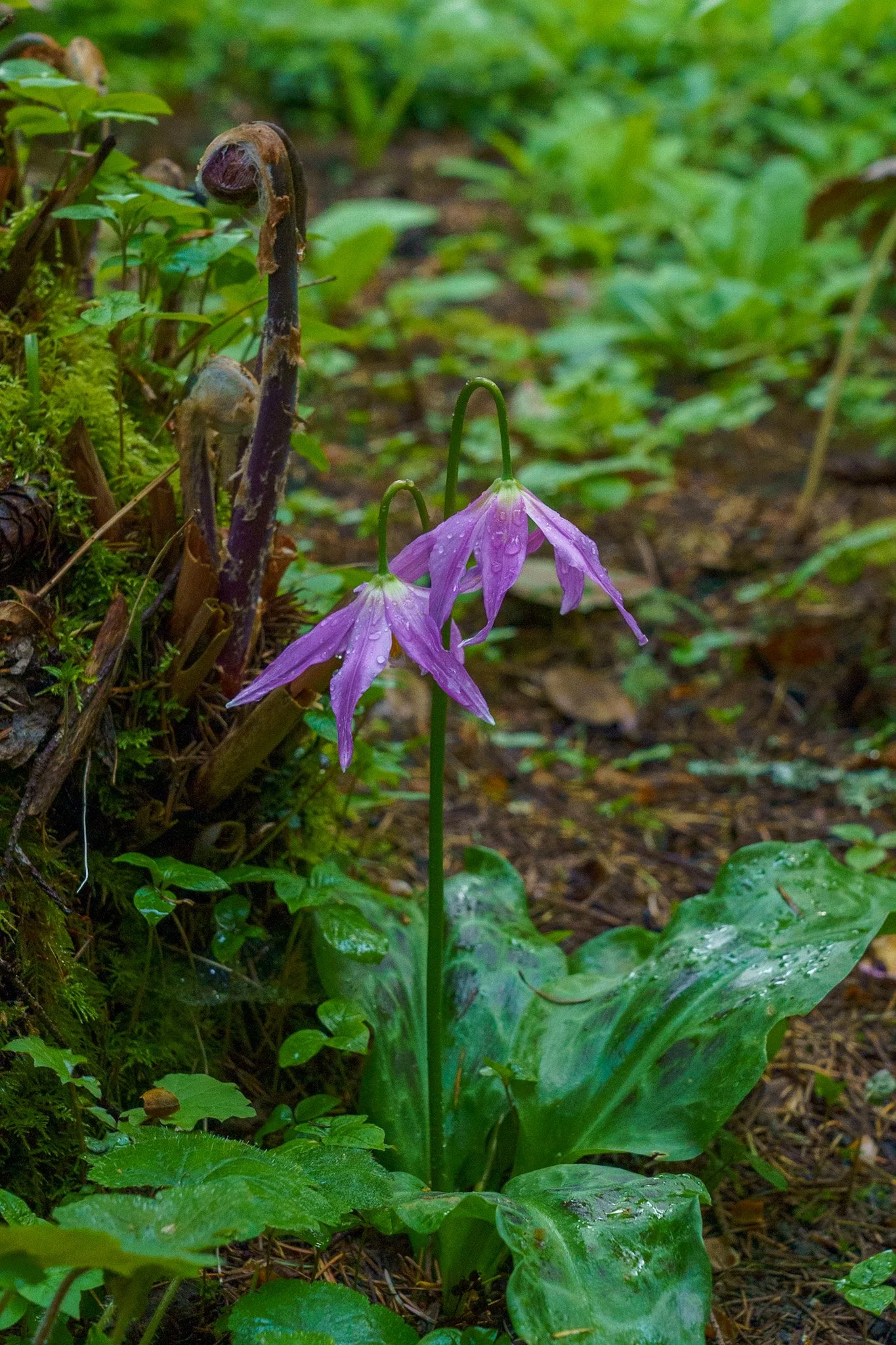
Erythronium have delicate fairy-skirt petals
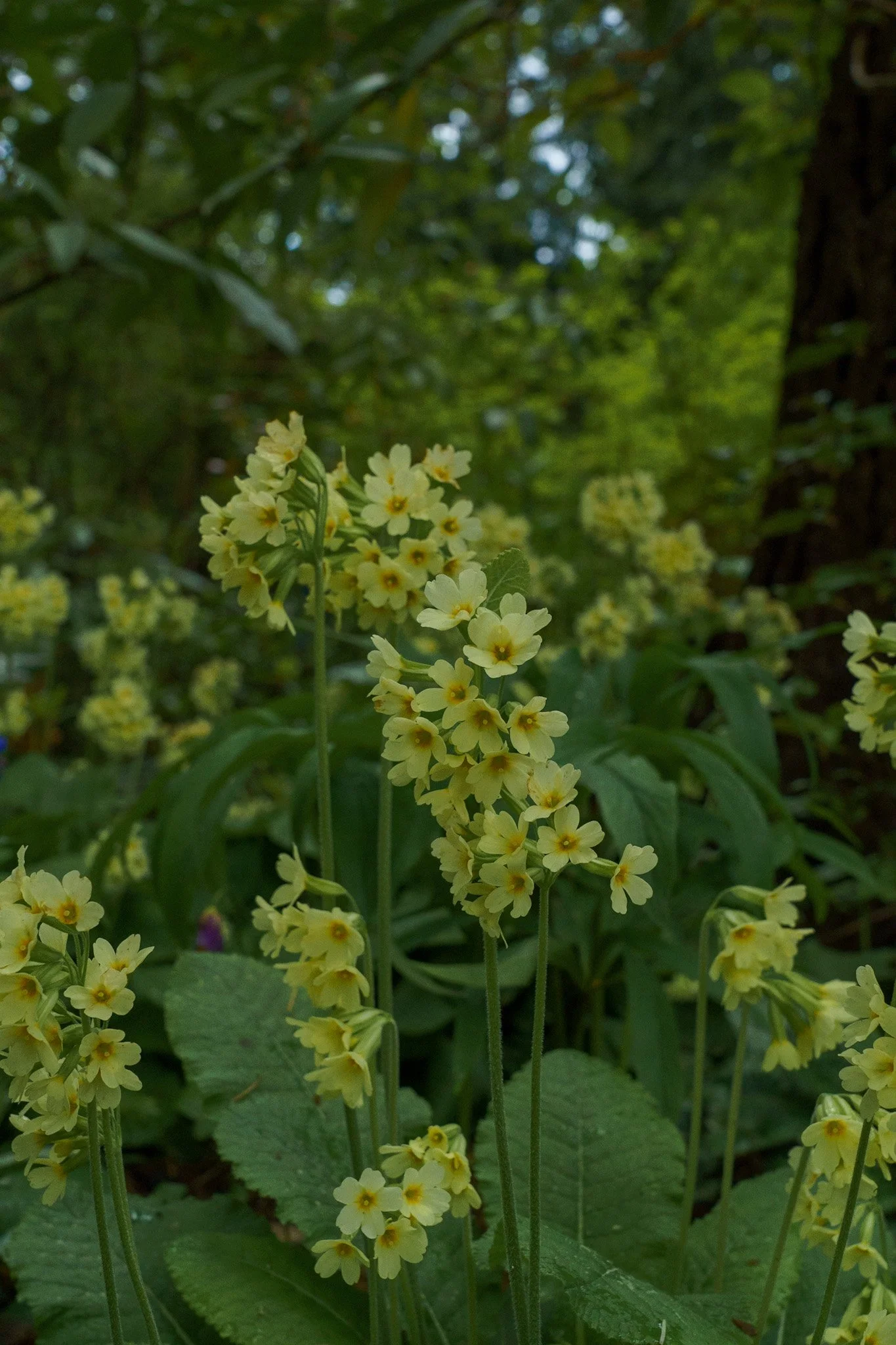
Tall primula love a moist, shaded space to spread out
Plant Suggestions:
Ferns
Hostas
Bleeding heart
Astilbe
Hellebores
Moss
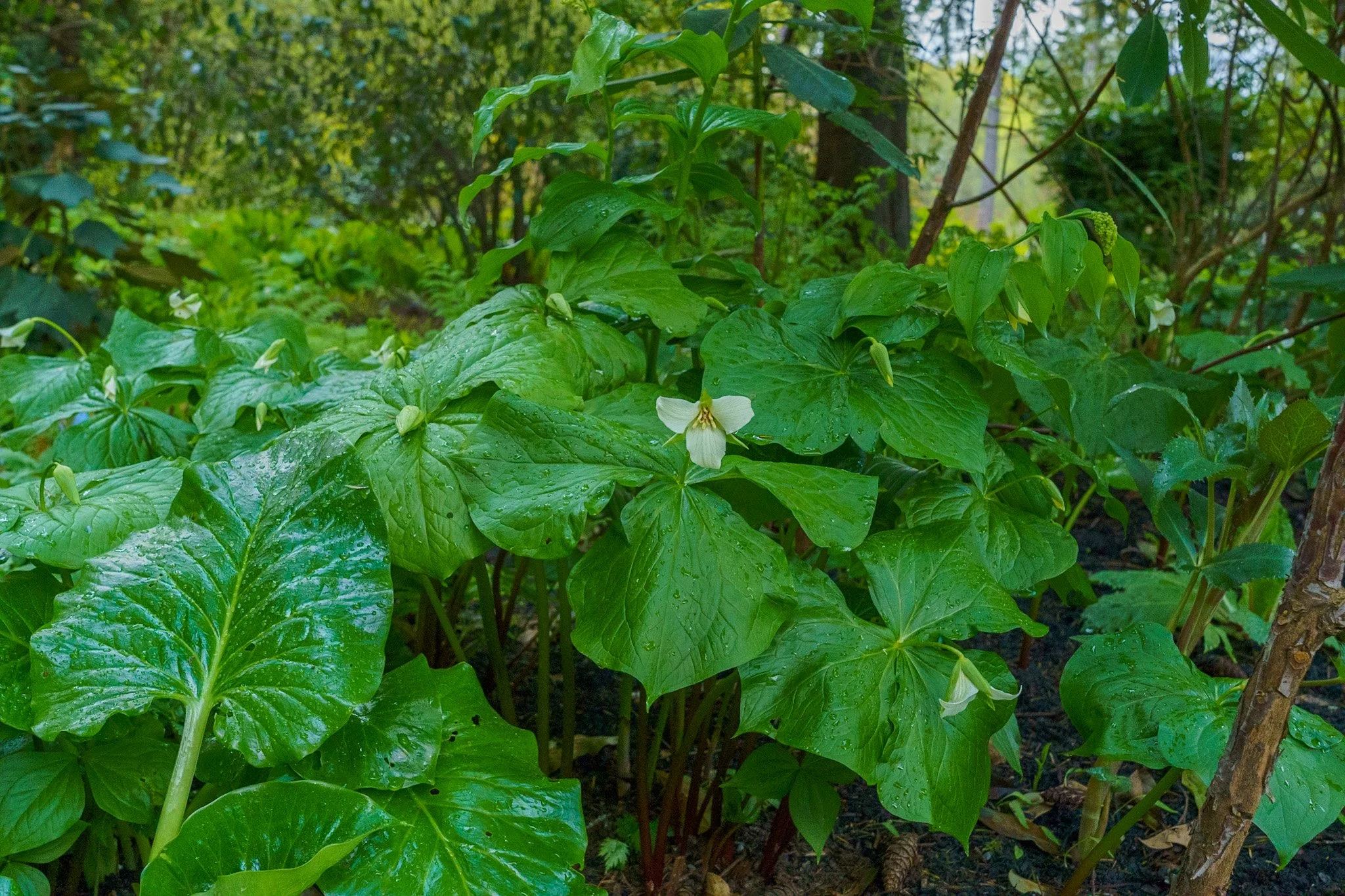
A tall trillium has the most gorgeous leaves + flowers
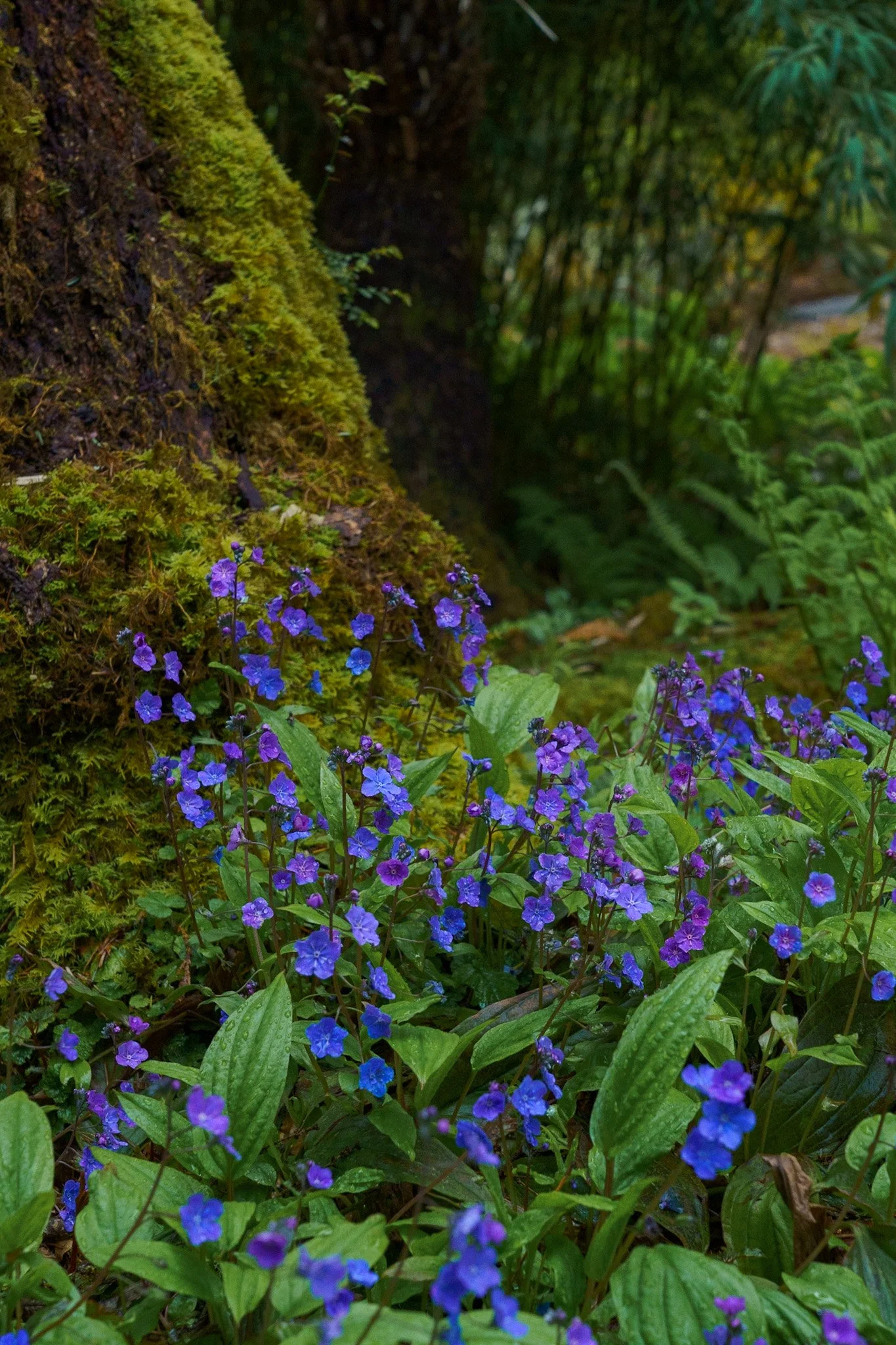
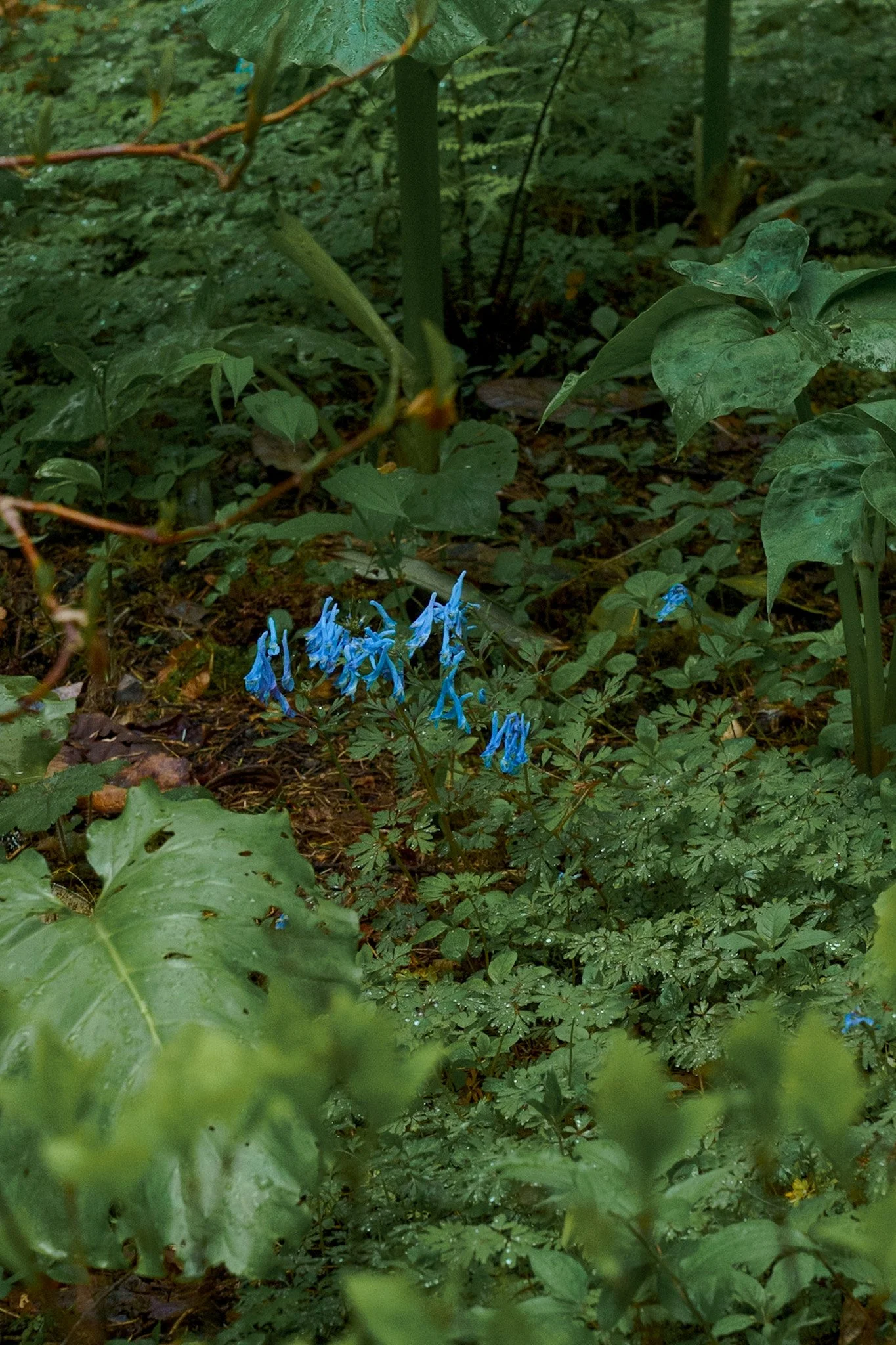
Design tips:
Texture & foliage: Focus on interesting foliage to give it that lush, green background that allows smaller fairy flowers to really shine.
Think small: Sometimes the tiniest plants have the most impact. Let moss grow over rocks to make it feel like the garden has been there for ages.
Backyard Cut Flower Garden
If endless bouquets are your dream of the perfect garden, then I can definitely offer you some tips on that! ;) Before I started a big flower farm, I grew cut flowers in my backyard on a much smaller scale. Growing cut flowers requires a mindset shift away from a landscaped garden with long-term interest and instead focuses on production. The flowers are there to be picked, not to stay on the plant.
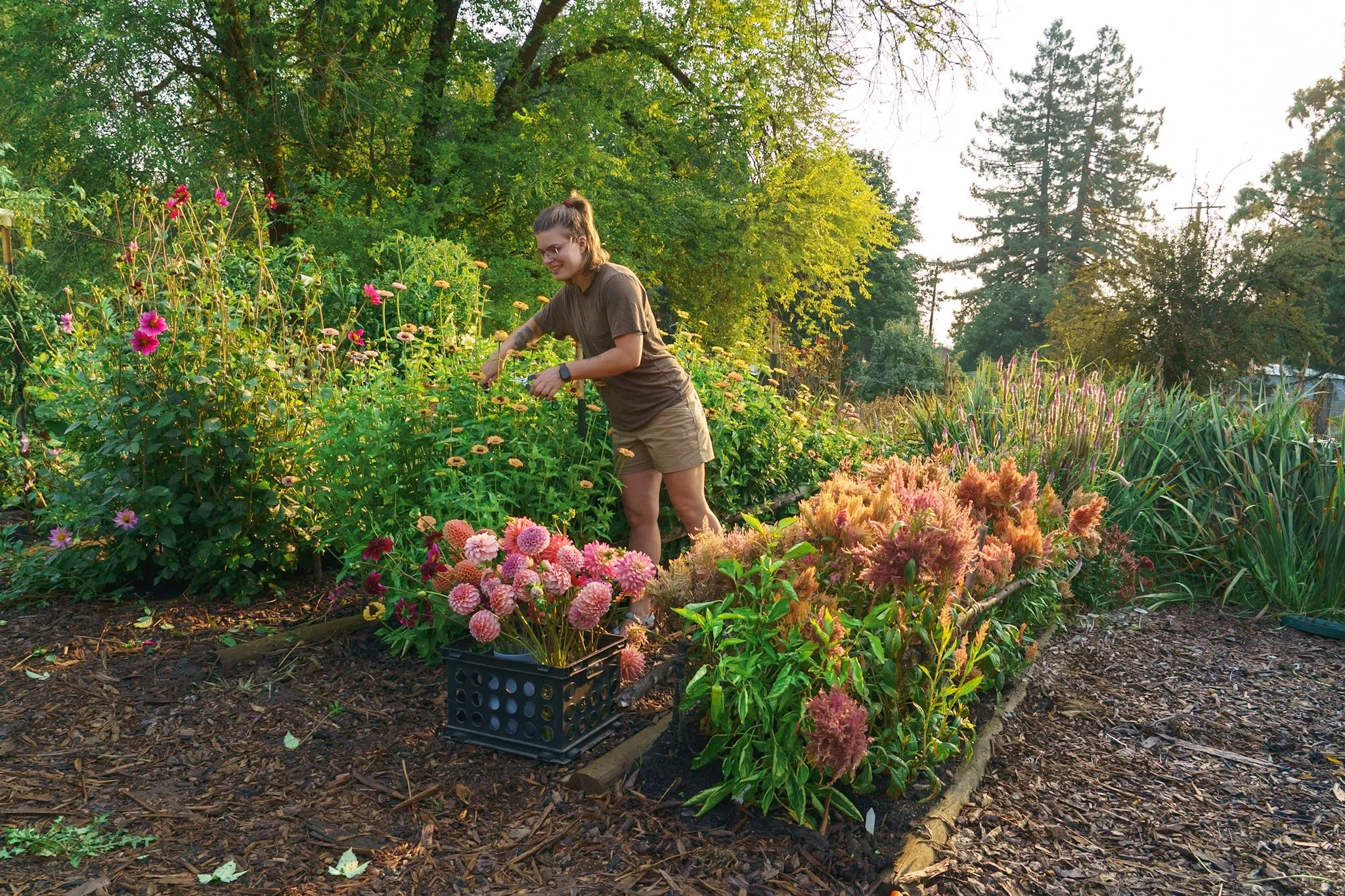
What I learned: Variety is key, my first year I grew only white and pale pink flowers. My bouquets looked so boring after months of that!! Select different colors when you’re designing a cut flower garden but also think about how they will work together in a bouquet. If you hate purple and yellow together, plan for something else.
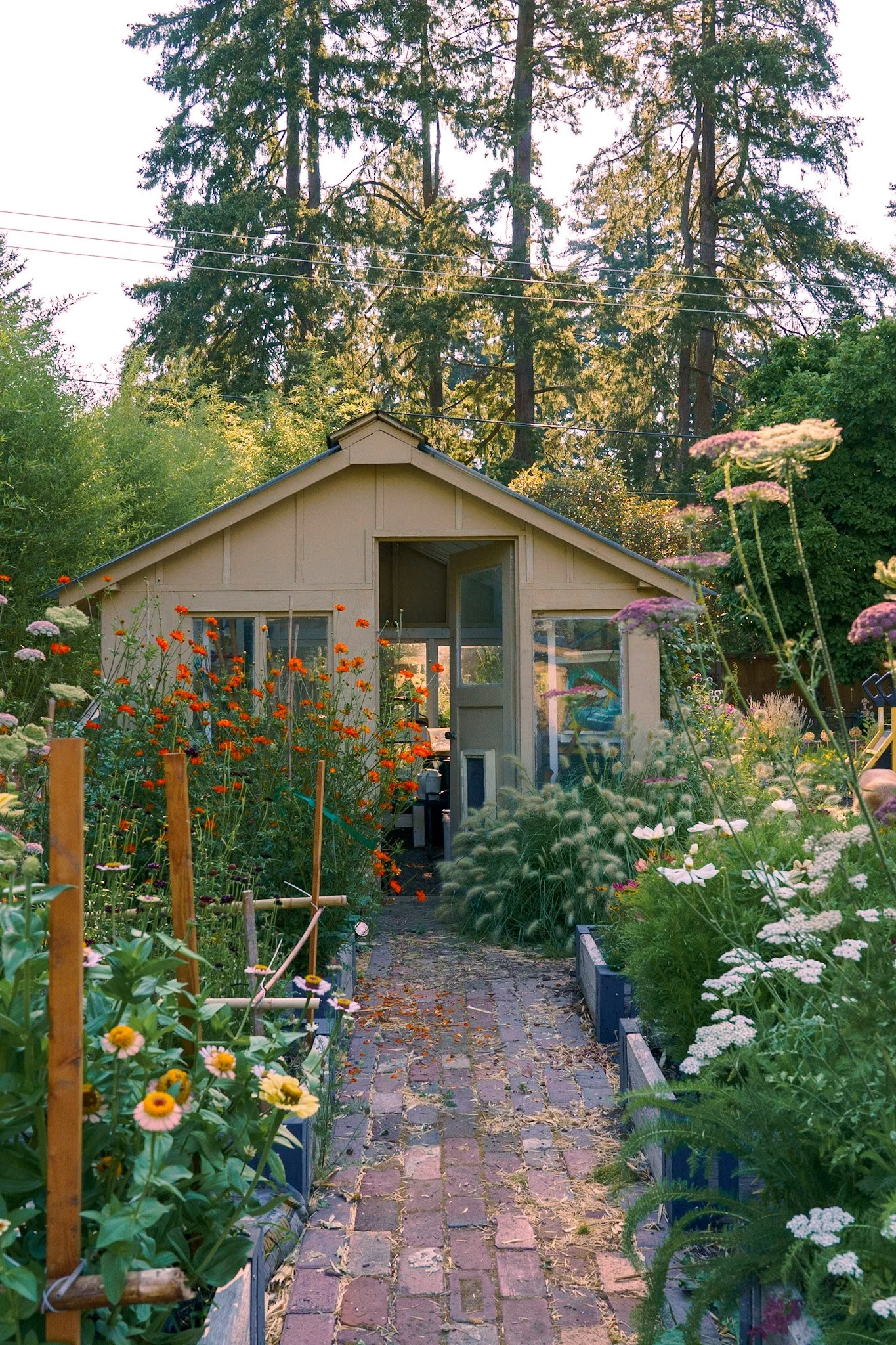
In my old suburban garden, I grew flowers in my raised bed instead of veggies
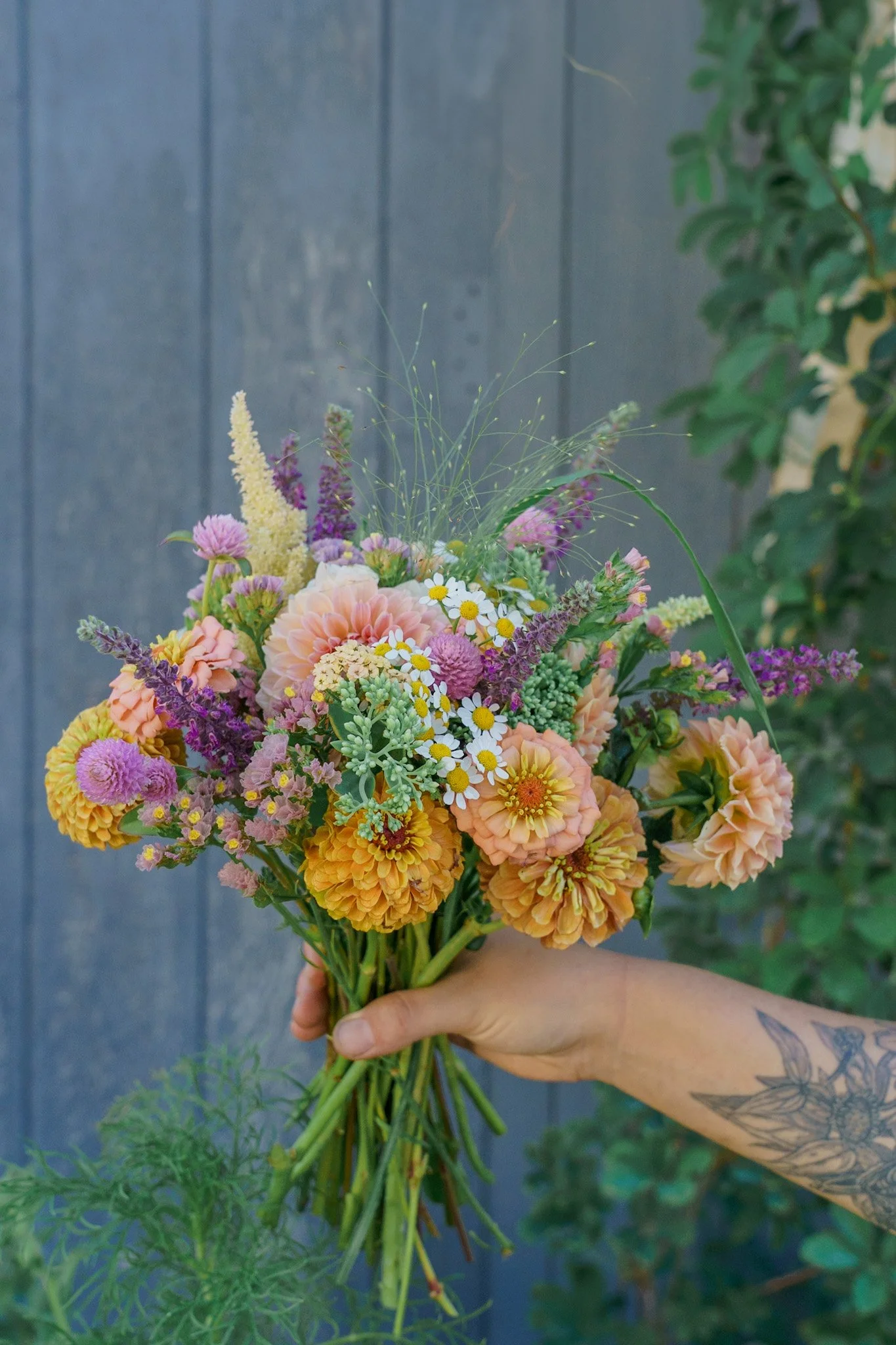
Included in this summer bouquet are zinnias, feverfew, statice, gomphrena, and grasses, all easy to grow at home!
Plant Suggestions:
Zinnias
Cosmos
Dahlias
Snapdragons
Sunflowers
Strawflower
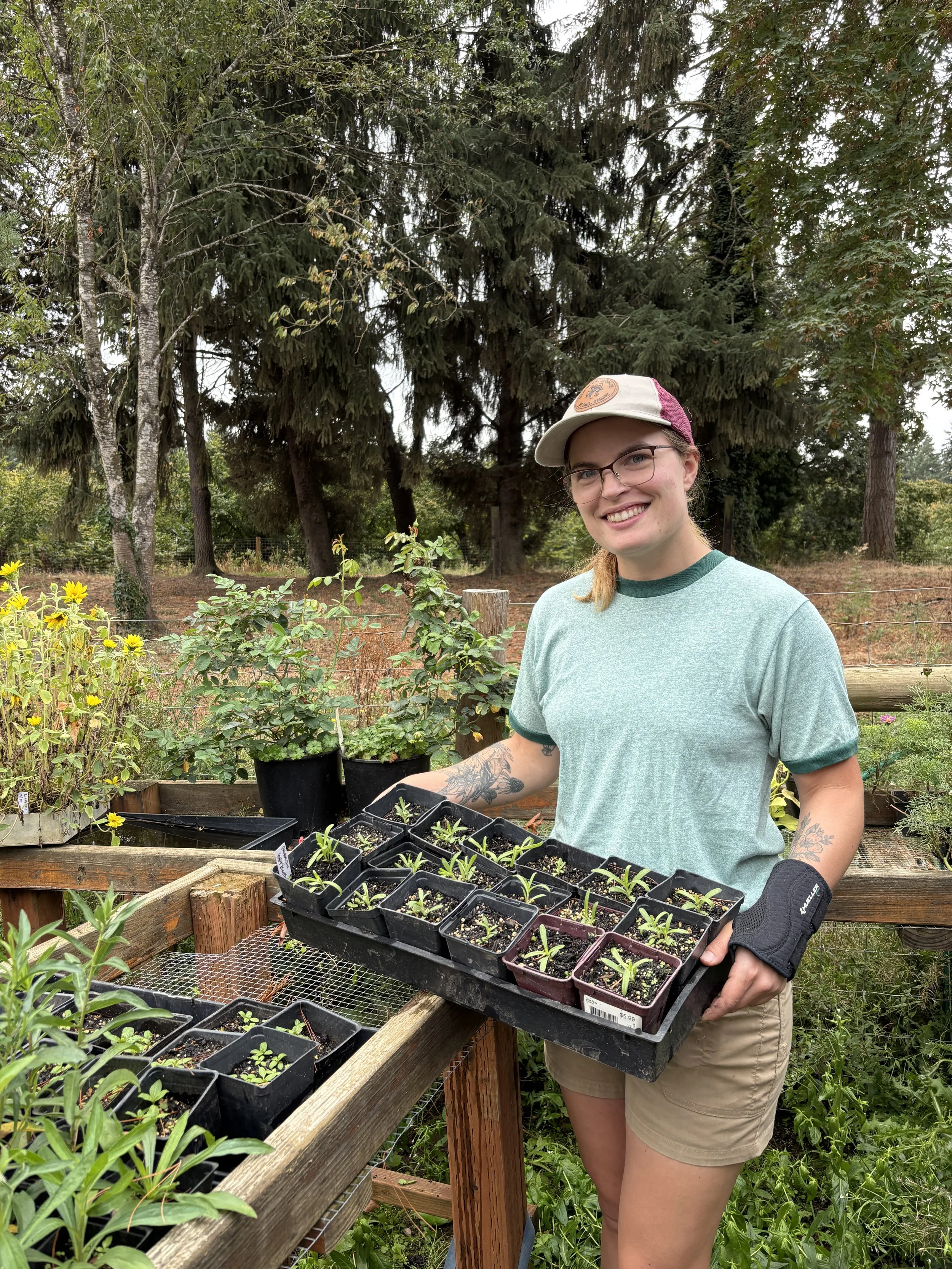
Now I grow all my annuals from seed, but if you’re just starting out I’d recommend buying starts at a nursery. Wilco has a great selection of varieties that make great cut flowers!
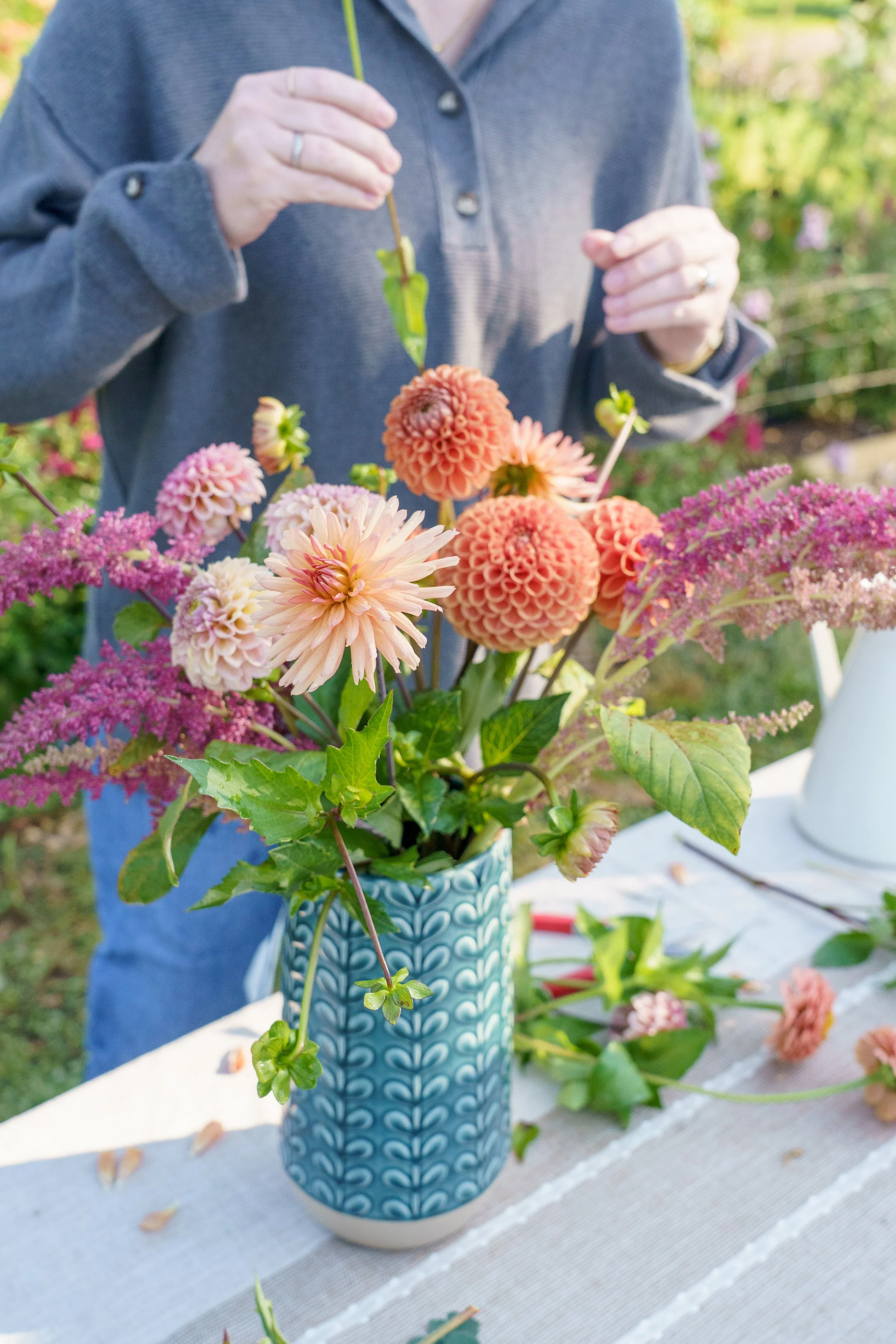
This bouquet has large dahlias as the standout flower and spikes of amaranth, both easy for new growers
Design tips:
Keep it productive: Think production, not a landscaped garden. Plant in rows and marked off sections like you would for a veggie garden.
Seasonal succession: Some flowers, like sunflowers, are one-hit-wonders. If you plant the same flower several times throughout the season, you’ll have a longer harvest season.
Size matters: Don’t grow short, dwarf varieties of flowers. Make sure to check the label to confirm the stems grown 12-18 inches long so they’re long enough to put in a vase!
You Don’t Need the Whole Garden Figured Out at Once
You won’t get it perfect the first year! That’s the beauty of a garden, you can watch it grow and change over the years, or add or subtract plants as your style changes.
The most important tip I have is to start with ONE section at a time. Instead of tearing out your entire yard at once, start with the shady corner and get it completely overhauled BEFORE you move on to the next area of your garden.
I share more tips on starting a garden from scratch in this blog post where I share before and afters plus tutorials on gardening.

An example of what a garden can look like with a LOT of plants and an obsession with gardening
Trust me, it’s so much more efficient to focus on one small section at a time, get that finished, and move on to the next. Instead of your entire yard looking like it’s a constant work in progress, you’ll get to enjoy a thoughtfully planned area of your garden and then work on the rest.
And if you kill plants? No biggie, it happens. The best gardeners have killed the most plant. You learn by doing and gardening is a pretty fun process, so it’s win-win.

A photo from the roof looking down on the garden I created in the middle of the horse pasture. This area of the garden is mixed veggies and cut flowers.
Feeling inspired? I hope so! It’s springtime and your garden is begging for some attention. I hope you get out there and get some planting done before it gets too hot!!
And don’t forget to sign up for the inspiration guide here. I also include a list of a bunch of specialty nurseries that can help you find the perfect plant for your garden.