
How to Grow your Own Flowers for Bouquets in your Backyard - A Beginner’s Guide
Unpopular opinion: you aren’t magically born with a green thumb! I sure wasn’t, I’ve killed countless plants, and so has every other successful gardener out there.
Growing plants is a skill that you can learn just like anything else, and if you want to grow flowers to make your own bouquets, then you can 100% learn how to do this!!
You’ll start small, kill some plants, make mistakes, but there really is nothing better than making a bouquet from flowers you grew in your own backyard.
But if you’re looking for some quick info now to get you started, I wrote up this blog post sharing my journey from growing a few sunflowers as a teenager to now growing flowers on a huge scale. Learn from my mistakes and get inspiration to grow your own bouquets!
My First Flowers
Growing up on my family’s farm meant I spent a lot of time with plants, but I never took the time to learn how to grow flowers. I was in charge of the family vegetable garden and would grow a few easy sunflowers and zinnias, but that was about it!
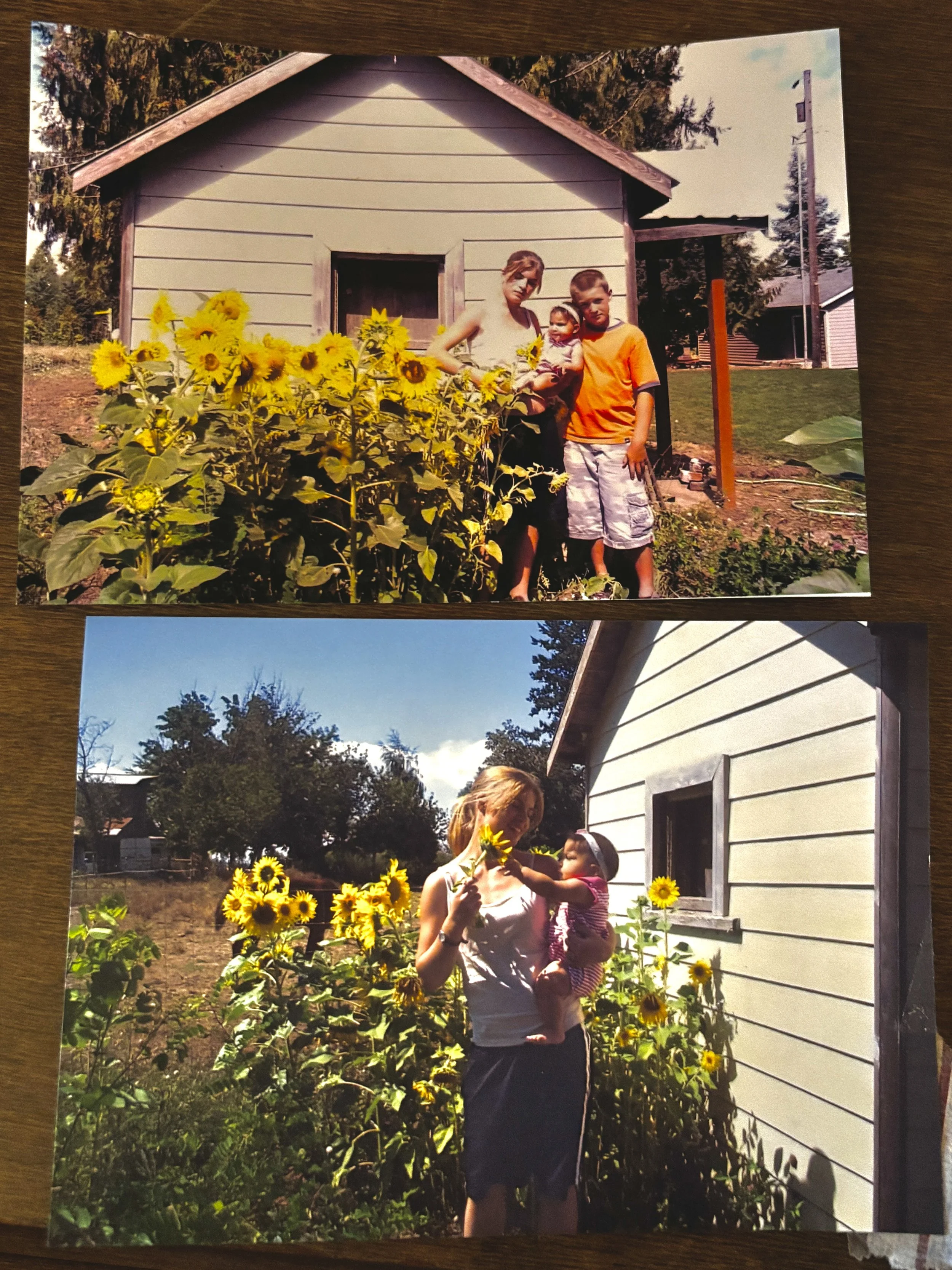
2008: My brother & baby sister & I in our sunflower patch
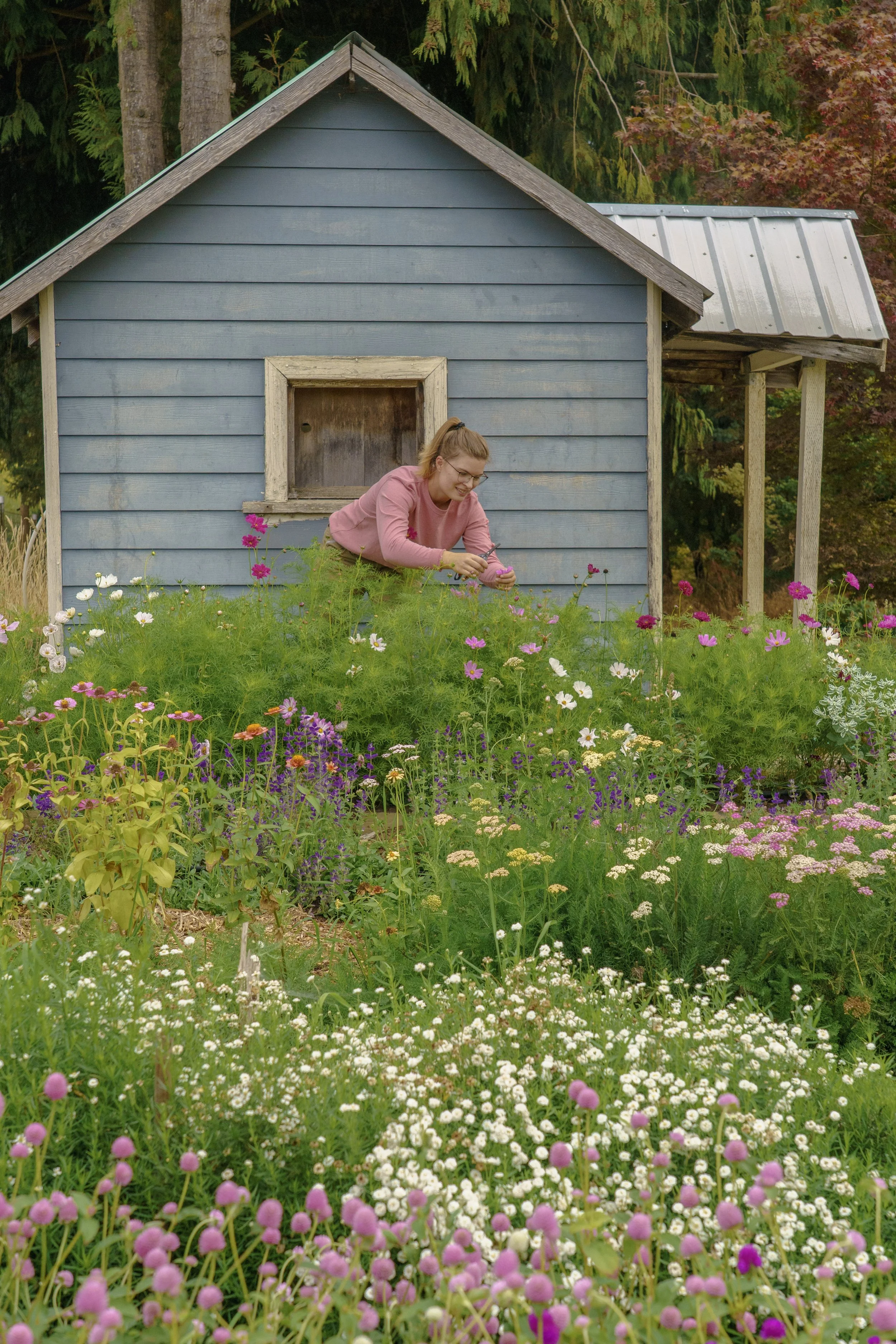
2025: same place, but a lot more flowers
But once I was in my 20s and had my own home in the suburbs with a huge yard, I got the gardening bug bad. My first flowers in 2019 were simple: just a packet of seeds that I sprinkled in the dirt and magically they grew. And WOW were they beautiful!
But I made a big mistake.
They all bloomed at once in July and I had a few glorious weeks of homegrown bouquets before they were done blooming for the summer and I was left without flowers again.
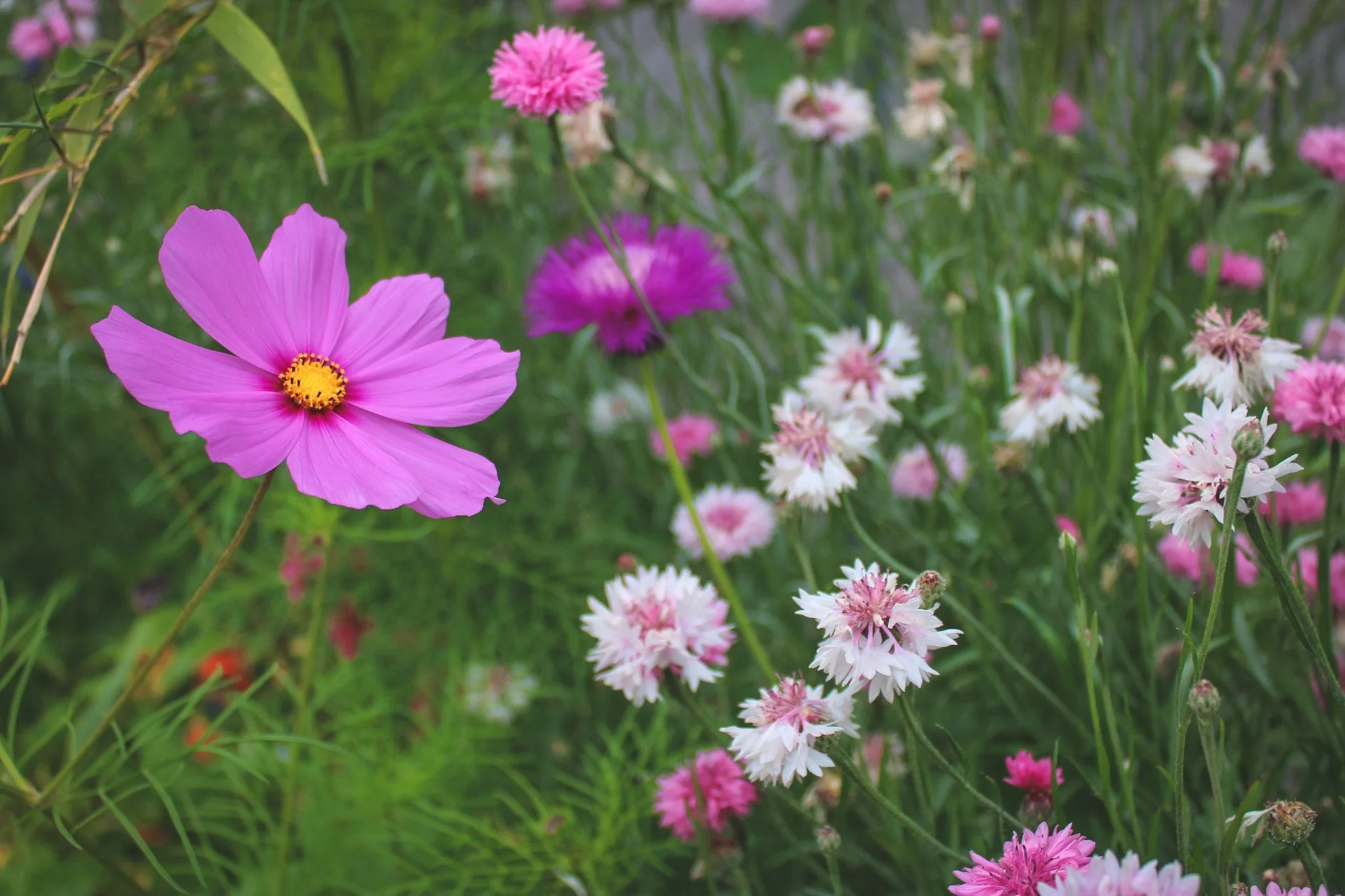
My first cut flowers were all jumbled together and looked so pretty, but they didn’t last long
I learned my lesson and dove into the world of cut flower growing by reading countless books and watching so many YouTube videos.
My first raised beds in my city lot held tons of flowers, but soon I outgrew those beds and tore out the lawn to grow roses, peonies, and dahlias.
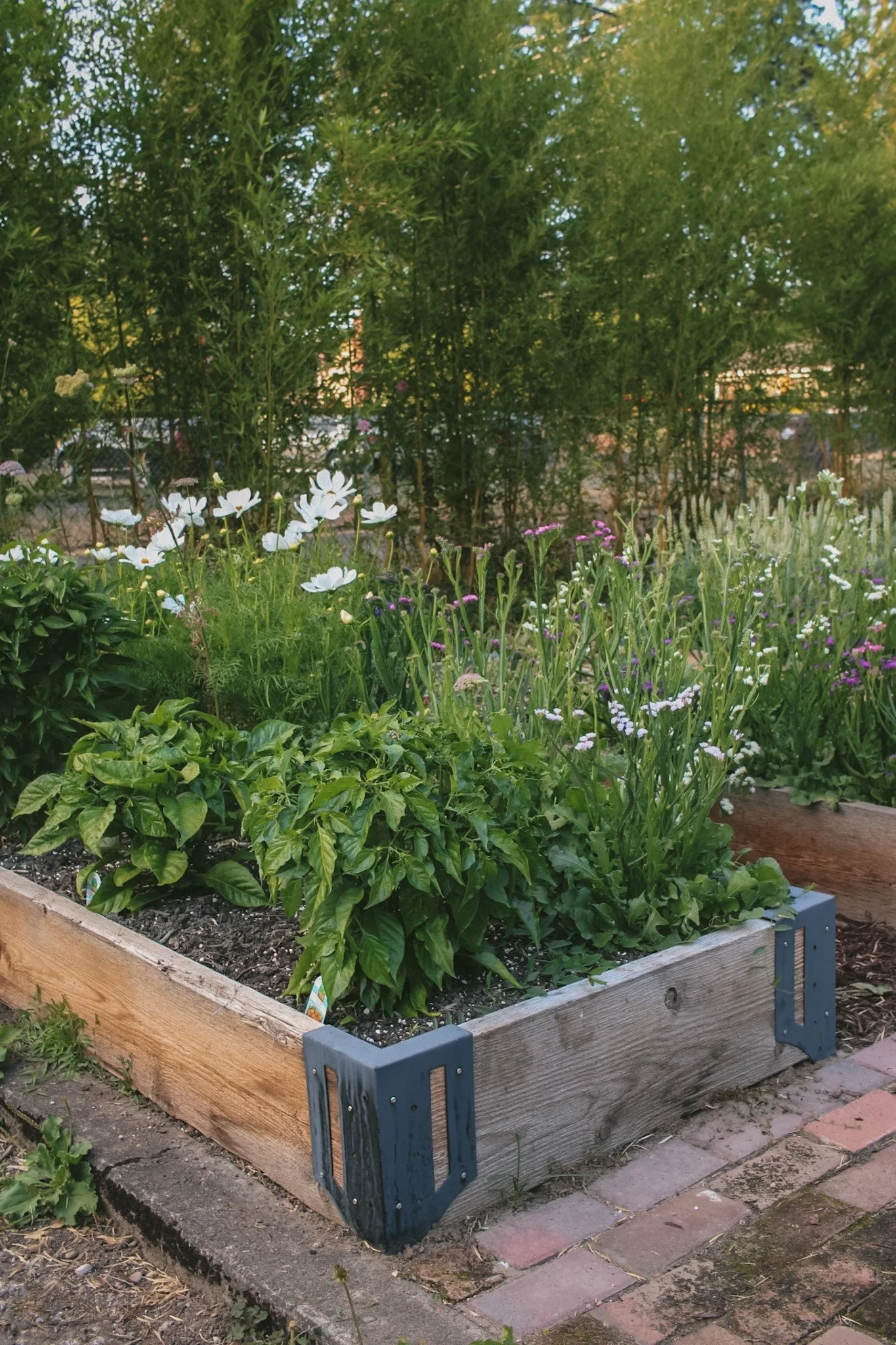
This is from my old suburban garden - I would mix flowers and vegetables together in the raised beds
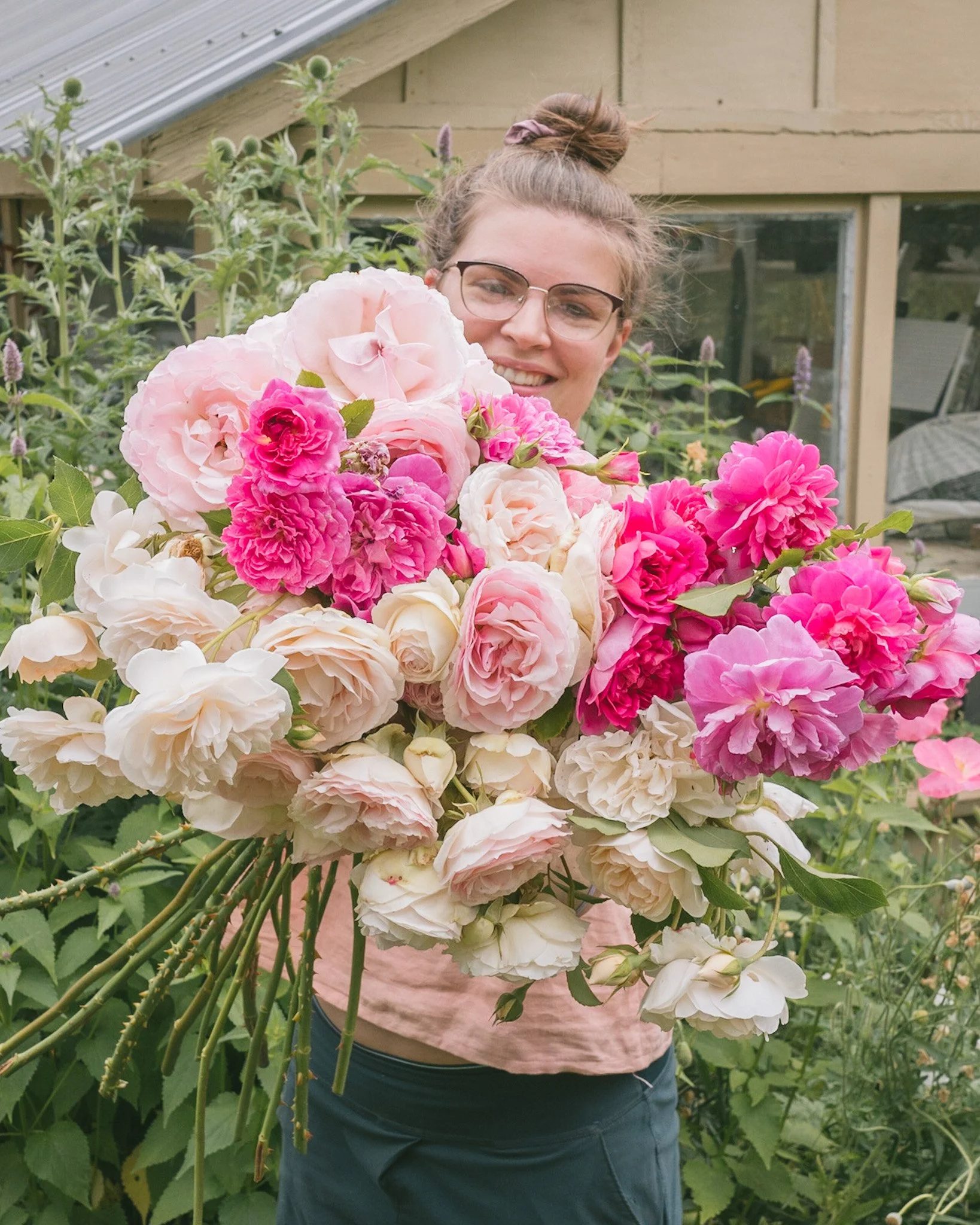
In 2021, I planted a dozen rose plants and had literal armfuls of roses
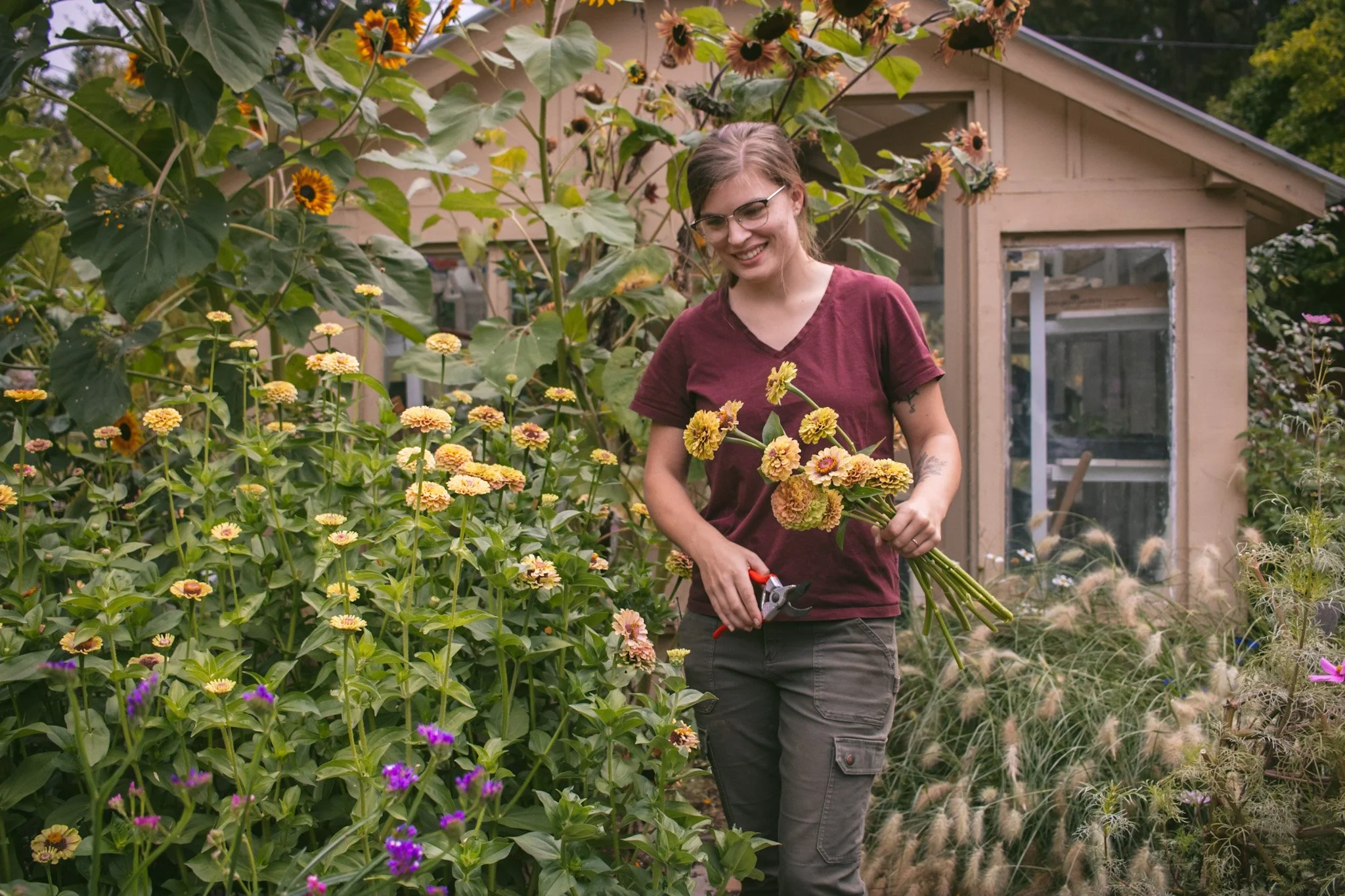
My 2021 flower garden taught me SO much - I made lots of mistakes in those days!
By the time I moved out of that house to my current property in the country, I had a ton of experience growing flowers for bouquets and planted a huge cutting garden in 2024. That cut flower garden was the starting point for my dream of a flower farm, and today I grow flowers on a huge scale.
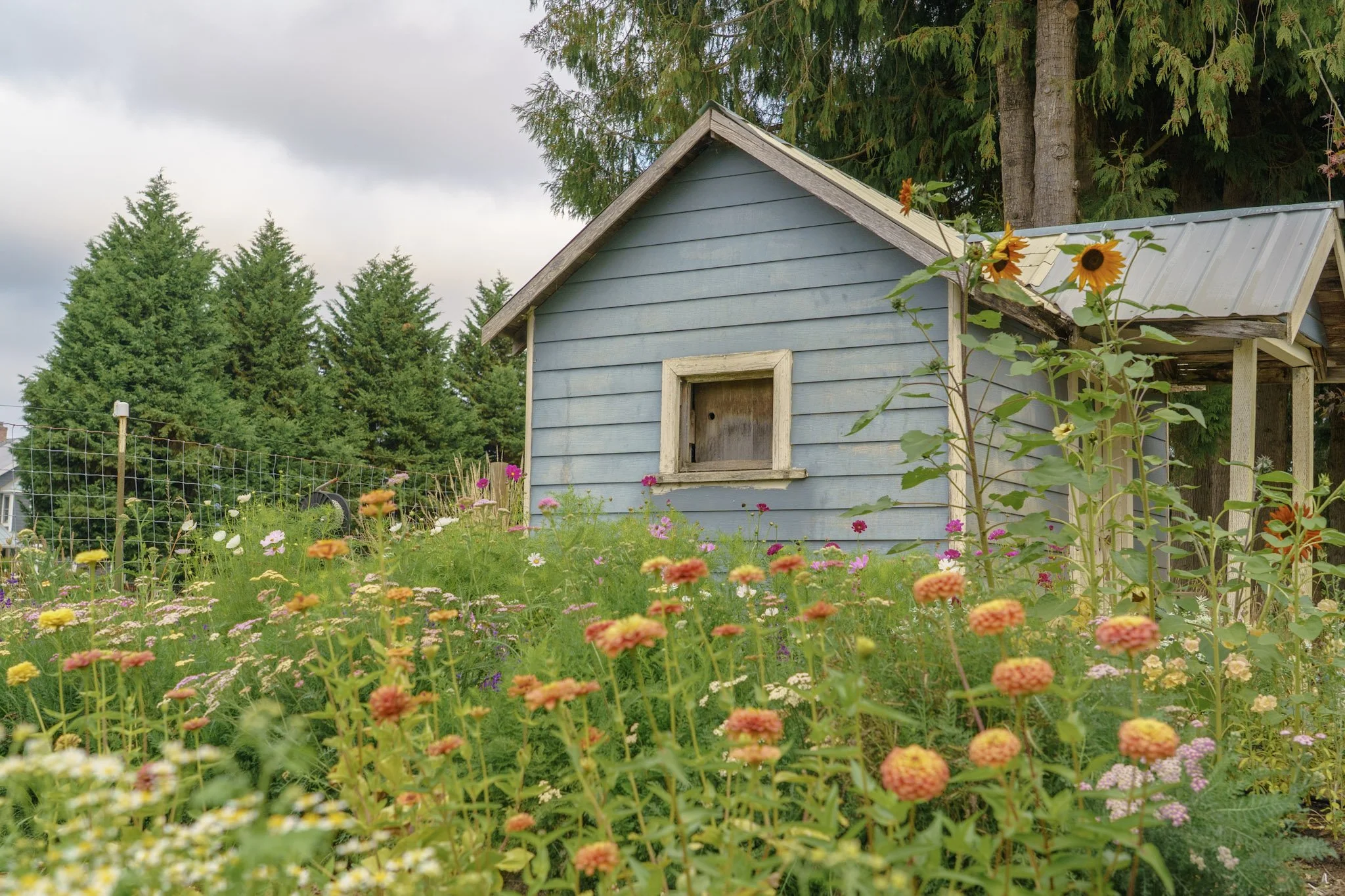
My 2025 cutting garden
What makes a ‘Cut Flower Garden’ different from a regular garden?
Growing flowers for bouquets means a few things will have to change in your approach to gardening. Instead of buying cute little dwarf plants for flower pots that only get a few inches tall, you’ll want to grow plants that have long stems (greater than 12 inches) so you can arrange them in a vase.
A cut flower garden isn’t a show garden. In most landscaped yards, you leave the flowers on the shrubs and plants so you can enjoy looking at them, but in a cut flower garden, you don’t actually want to see a lot of flowers on the plants. You want to be picking the flowers to use in bouquets!
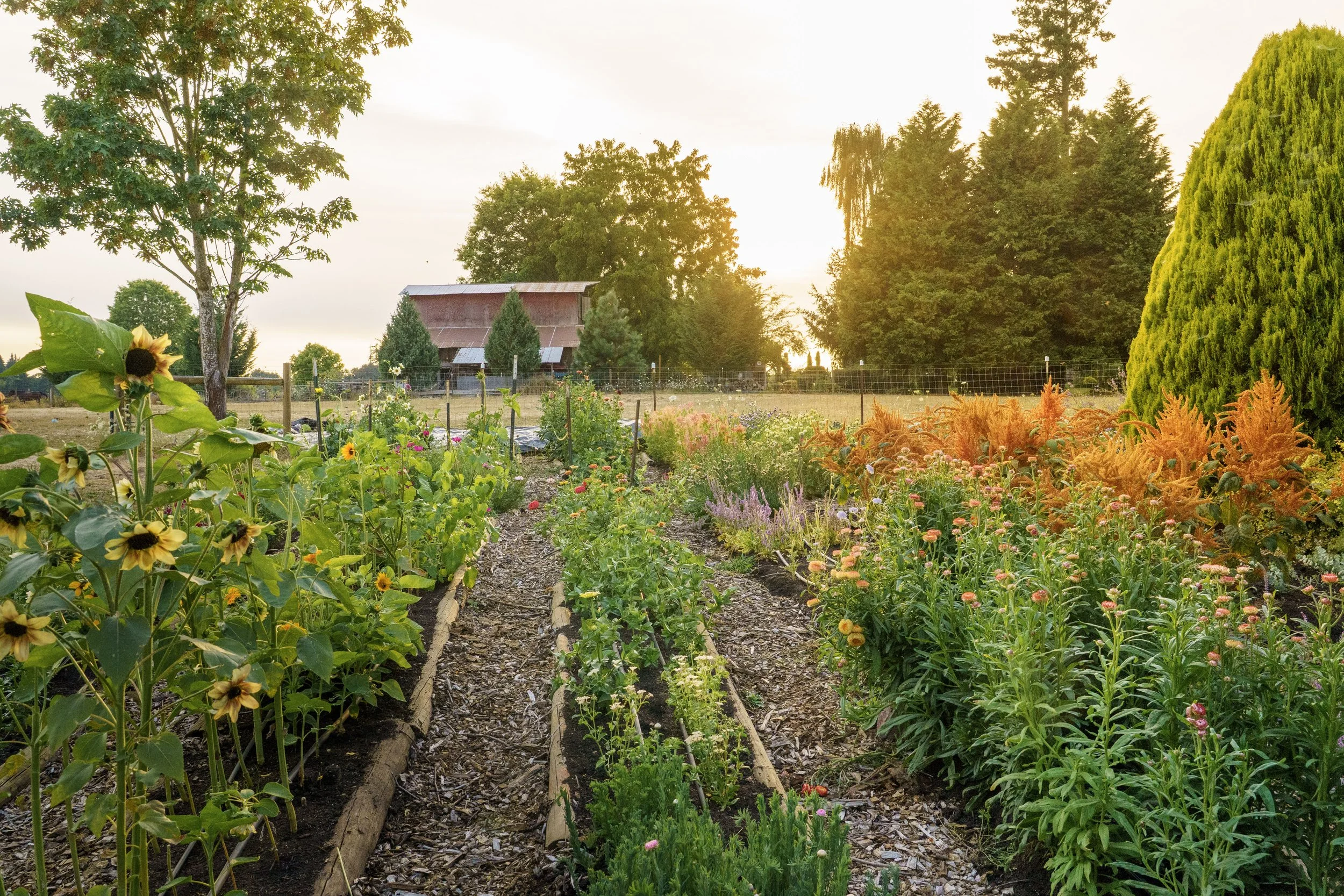
Your cut flower garden doesn’t need to be designed in long straight rows, you can mix flowers throughout your garden. But once you start growing more than a dozen plants, it makes it a lot easier when all your plants are grouped together
Also, you’re not thinking of arranging the plants in a cut flower garden to look good planted in the ground, you’re choosing varieties that will produce flowers that look good together in a bouquet. That means you’re thinking of the end result: a variety of color, texture, and form to make your bouquets interesting.
Remember, you’re growing bouquet ‘ingredients’.
My cut flower gardens always include these 3 main ingredients:
Focal Flowers: large, showstopper flowers (think big roses, sunflowers, dahlias, peonies)
Filler Flowers: smaller flowers to fill in the bouquet (like celosia, statice, marigolds)
Foliage: greenery and leaves to give your bouquet structure (you can harvest foliage from many shrubs and trees in your garden, such as mint, eucalyptus, and native shrubs such as snowberry and red currant)
Your First Cut Flower Garden
My very first cutting garden was a narrow strip of ground along my back fence! You don’t need a huge space to grow a lot of flowers, but you do need:
Sun: 6+ hours is ideal
Water: a sprinkler on a timer is best! Flowering plants need a LOT of water over our hot summers
Good soil: keep it simple, just buy a bag of compost at the store and build up a bed of compost about 3 inches tall that you can plant into.
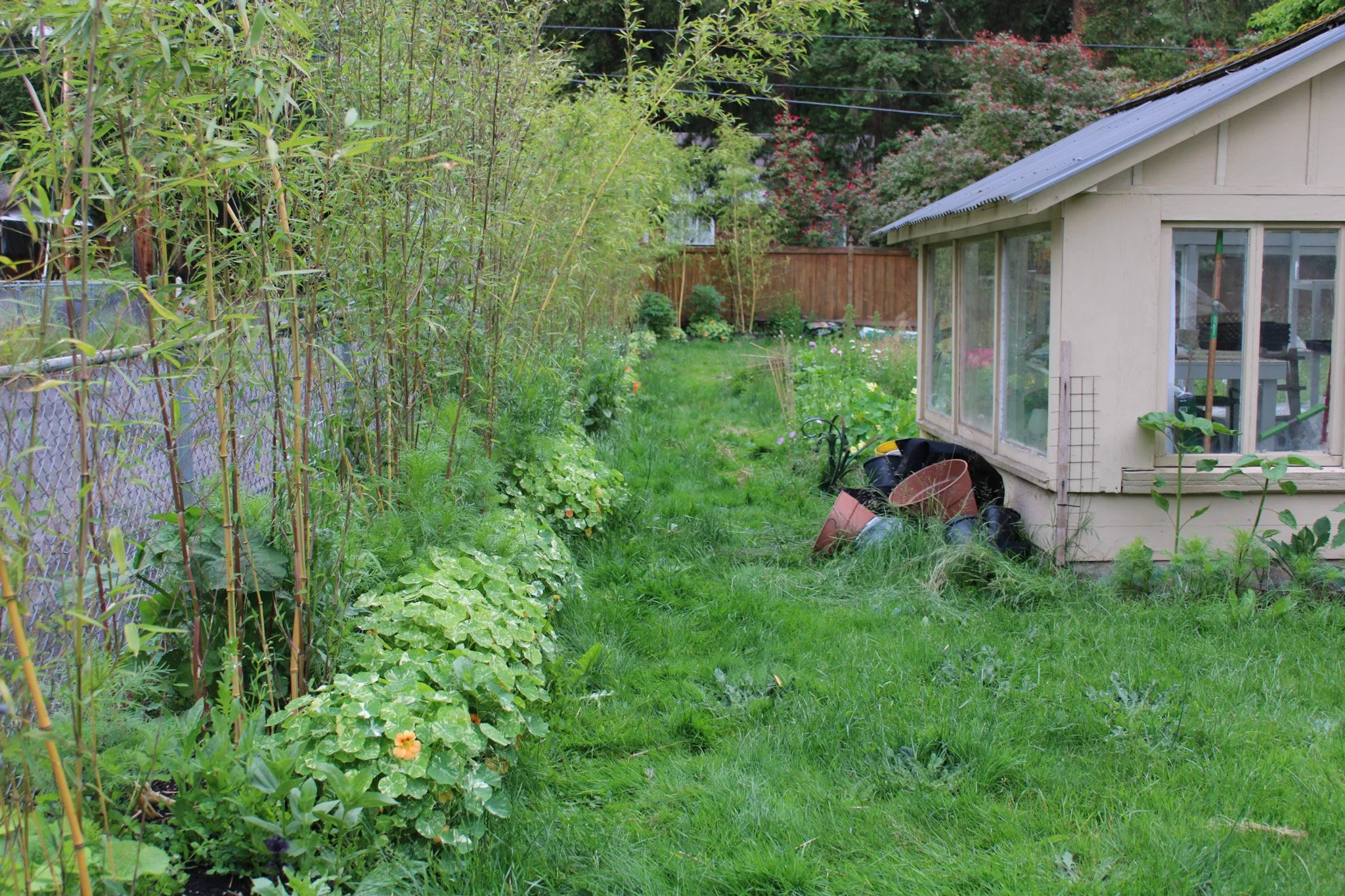
That row along the fence on the left was my first place I grew cut flowers in 2019. I literally sprinkled a seed packet into the soil between the bamboo canes and watered them! I wouldn’t do that now, but it was a great way to start
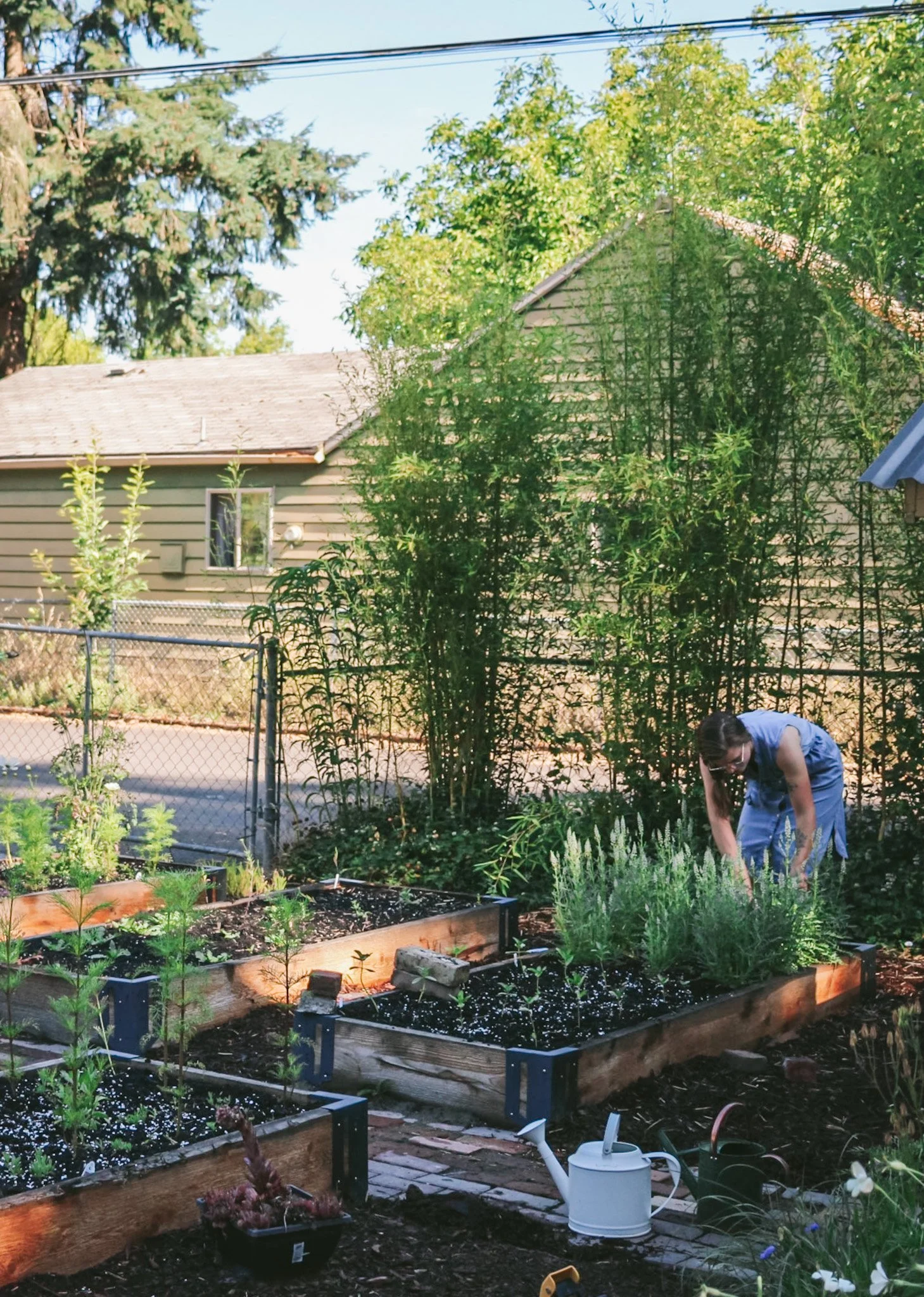
In 2021, I built 6 raised beds to fit more flowers
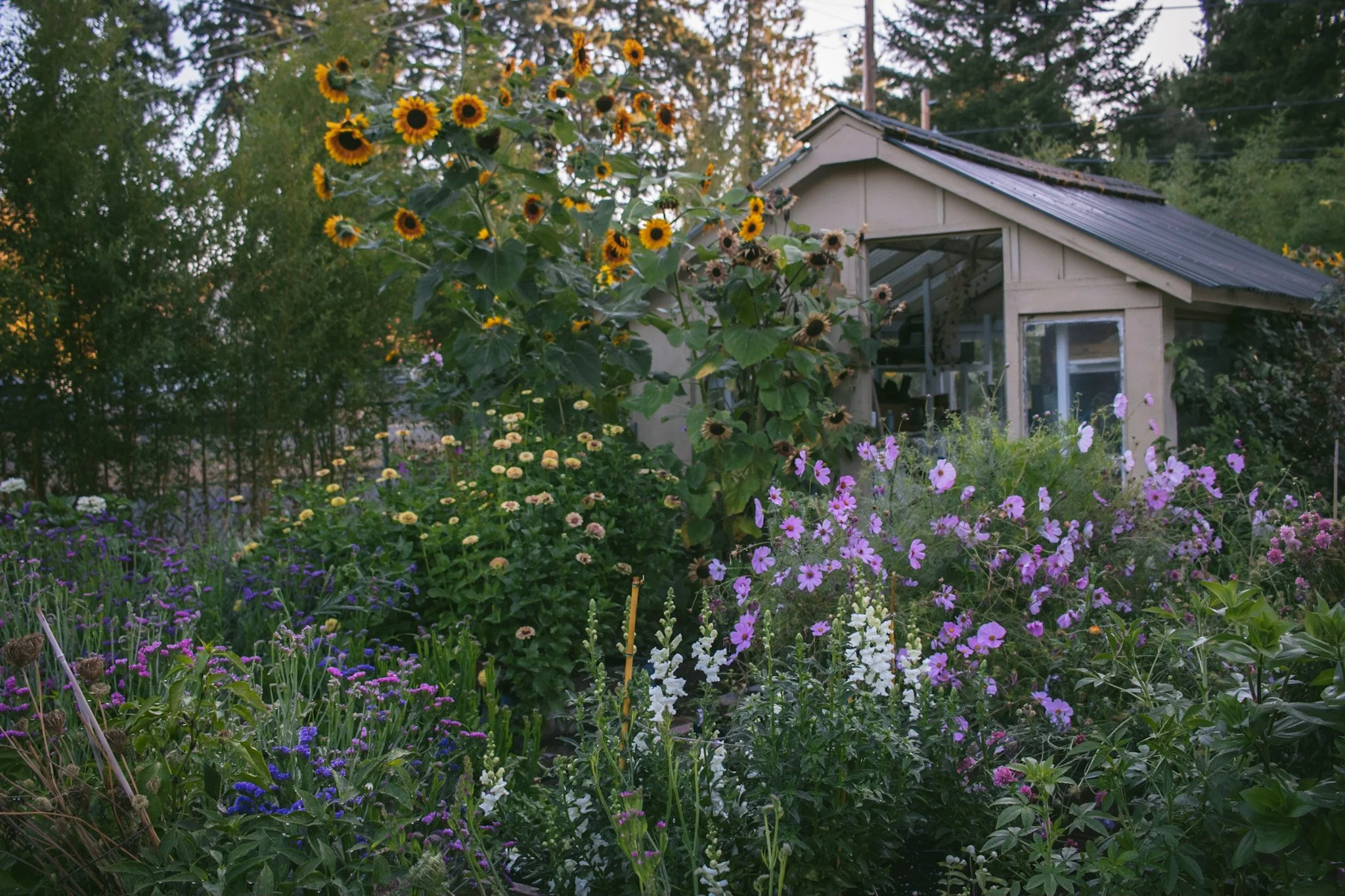
The flowers quickly took over! You can fit A LOT of flowers in a small space
Beginner-Friendly Flowers to Grow this Summer
Our Oregon summers are HOT and DRY! That means you have to grow varieties that do well in the heat, but luckily there are plenty of easy flowers to choose from.
My favorites to start with are:
Marigolds
Zinnias
Cosmos
Celosia
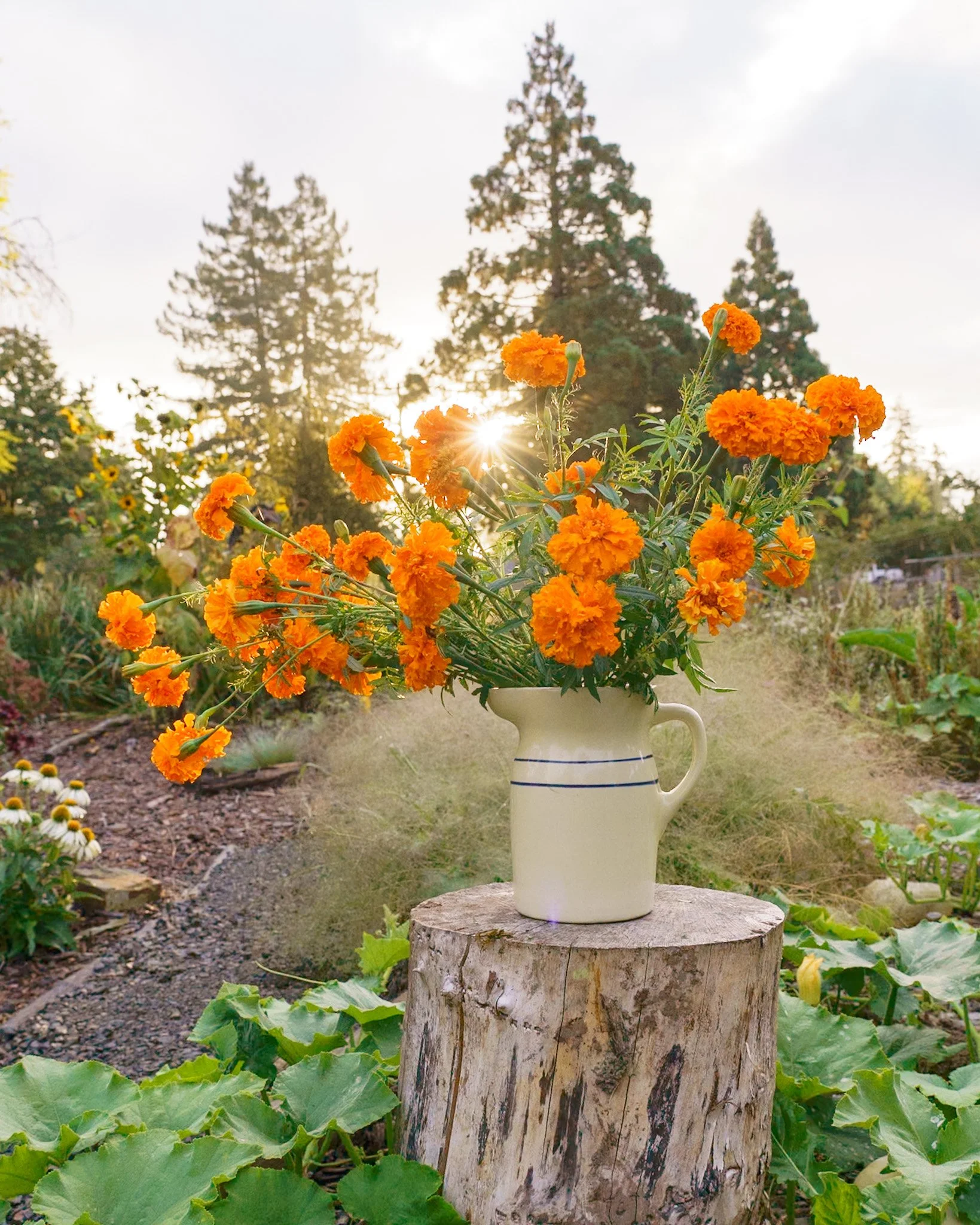
Choose marigolds that have tall stems so you can use them bouquets
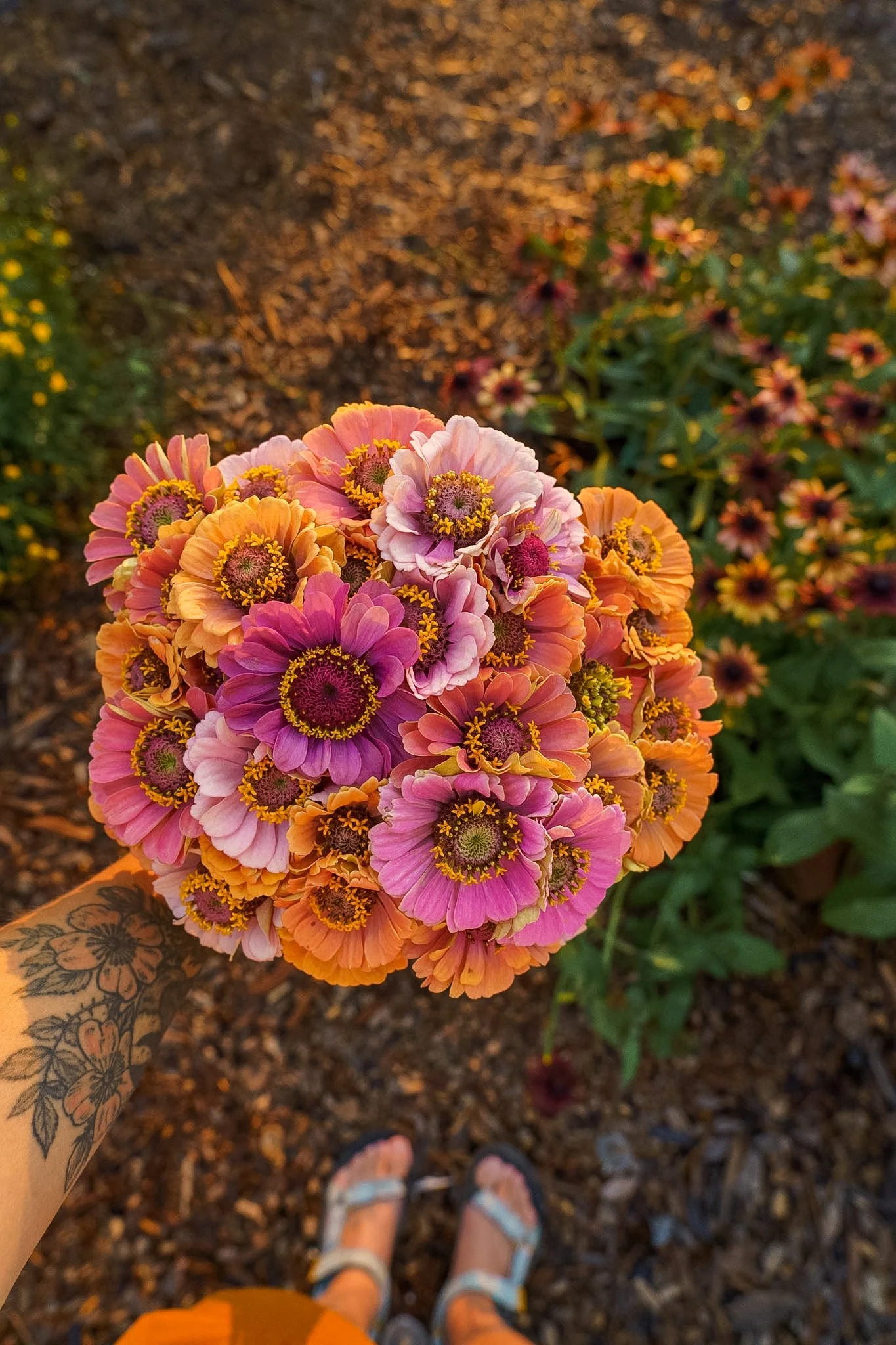
Zinnias come in a huge range of colors
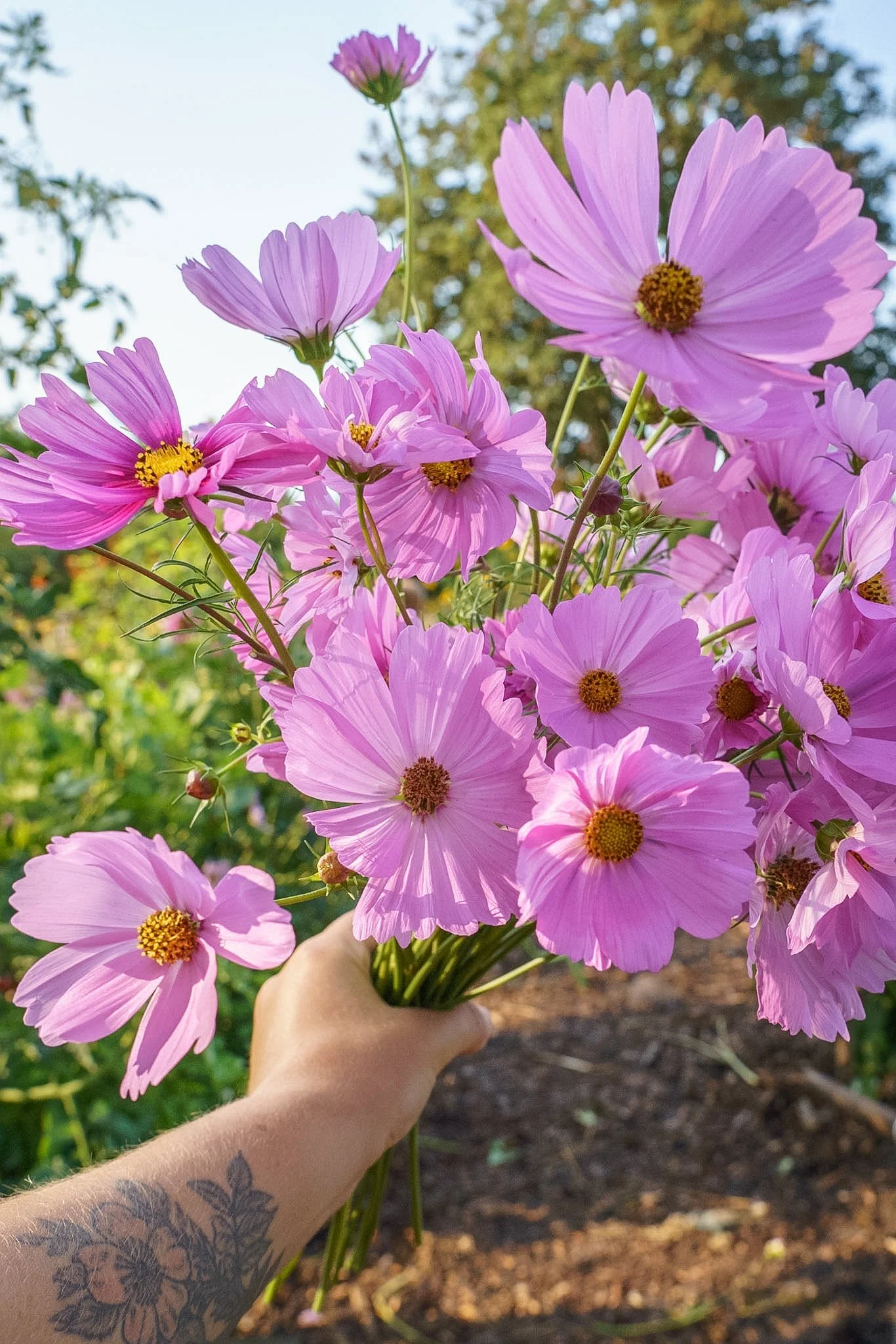
Cosmos are so cheery and bloom for ages as long as you keep picking the flowers
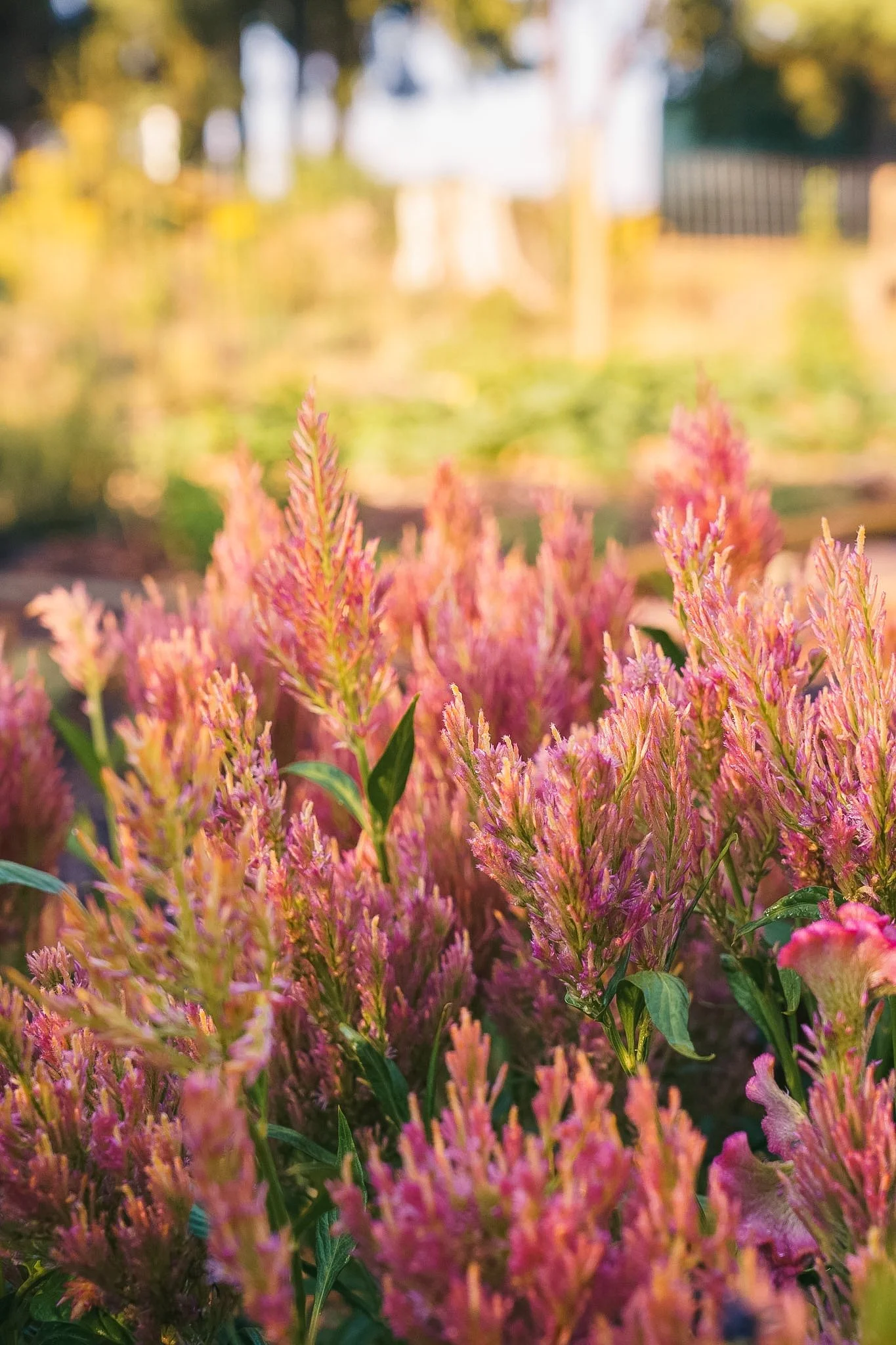
Celosia is a fluffy flower that really fills out bouquets
They love the heat, continue blooming for months, and are fast growers. They come in a bunch of different colors that look so good together in bouquets. Highly recommend you start with a few plants of each!
You can start them from seed or buy starts at local nurseries (Wilco is actually my favorite place for good varieties of cut flowers).
Do’s & Don’ts of Cut Flower Growing
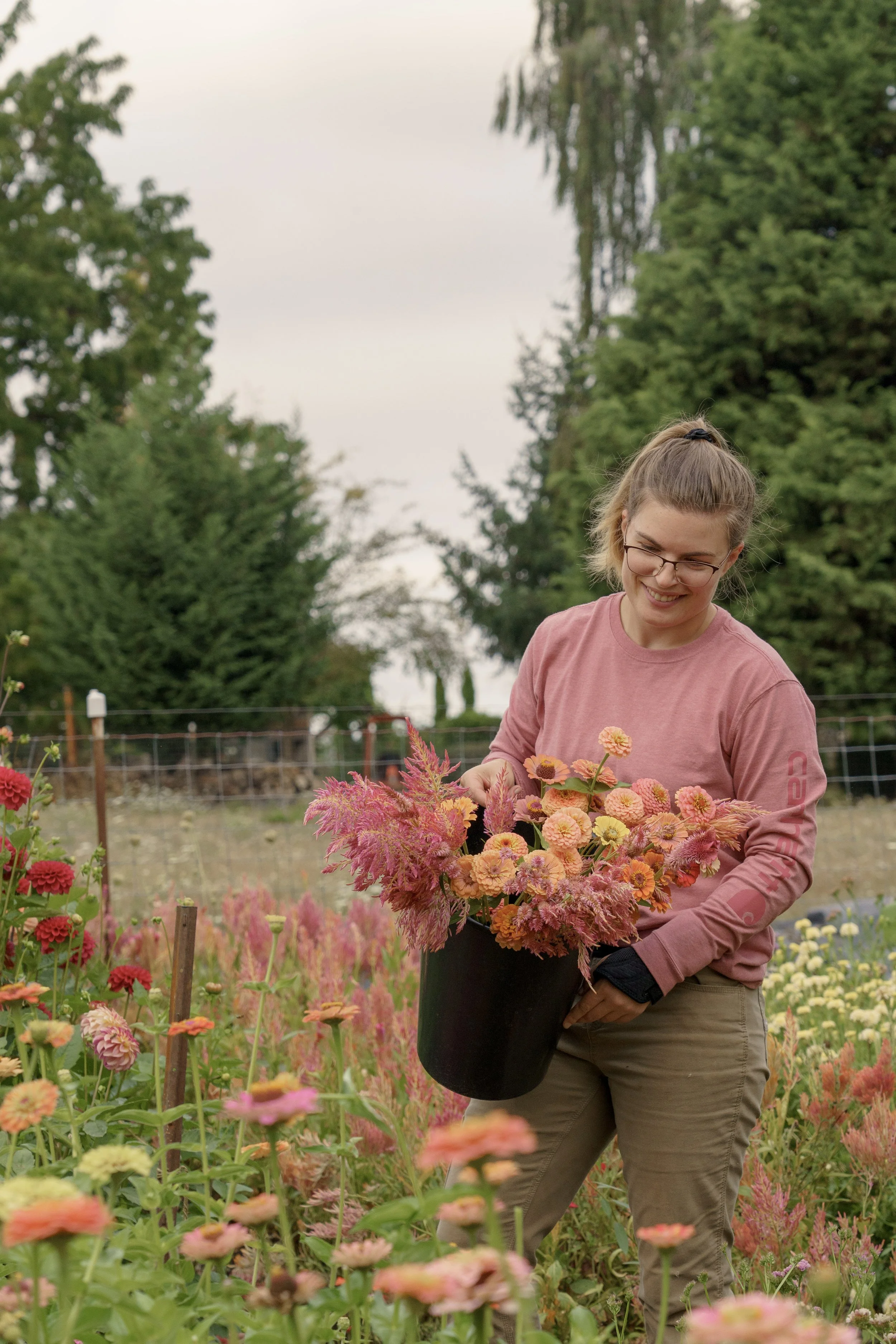
A bucket of zinnias and celosia
Do keep picking your flowers! When the flower stays on the plant long enough it will develop seedheads, which signals the plant to stop producing flowers. Keep picking and you’ll be rewarded with more blooms.
Don’t forget about foliage! Adding greenery to your bouquets gives them structure and lets the flowers stand out more against the leaves.
Do pick your flowers in the coolest hours of the day! If you pick during the hottest time of day, the flowers will wilt quickly and won’t last long.
Don’t forget to water! I cannot stress this enough! Annual plants need nearly daily watering throughout the summer. Get a simple timer and sprinkler from the store and set it to run for an hour at night so you never have to worry about watering again.
Do pick colors that look good together in bouquets! If you hate yellow and purple together, then keep that in mind and choose colors that you love in bouquets. (My favorite combinations are peach and purple, pink and orange, and blue and white).
Growing flowers is one thing.
Making great bouquets is another! The key is practice, practice, practice.
You’ll kill plants, and that’s ok. Your garden might be messy and full of weeds. Some things will flop, some things will surprise you.
But if you can pick flowers from your own yard to put a smile on your face then you’re doing it right!!